
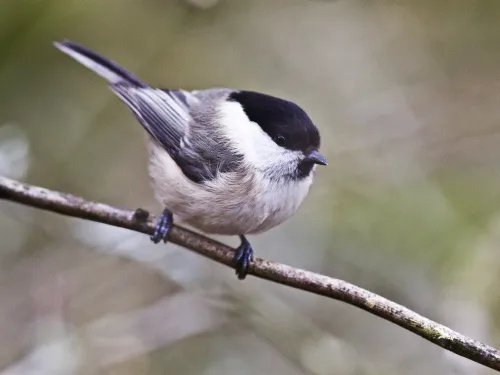
Willow tit
The willow tit lives in wet woodland and willow carr in England, Wales and southern Scotland. It is very similar to the marsh tit, but has a distinctive pale panel on its wings.

Wet woodlands in the UK can be wild, secretive places. Tangles of trailing creepers, tussocky sedges and lush tall-herbs conceal swampy pools and partially submerged fallen willow trunks, likely to deter all but the most intrepid enthusiast. These are some of our most natural woodlands.
Wet woodland is characterised by trees such as willows, birches and alder that thrive in poorly drained or seasonally flooded soils, such as in fens and bogs, pond and lakesides, river banks, and flushed hillsides. Wet woodland can, however, be quite varied in structure.
Wet woodland known as “carr” is often low-canopied, with willow and alder growing over a bulky ground layer of plants such as royal fern, yellow flag and meadowsweet. Along backwaters and in the loops of meandering rivers on floodplains, alders tend to grow taller and the rich silty soils support nettles and great willowherb.
This type of woodland has a long history in the UK, having developed wherever conditions were suitable once the glaciers retreated some 12,000 years ago. However much of the carr present today is relatively recent in origin. The developing woodland gradually dries out the soil and the wet nature of the woodland eventually changes as other species such as oak and ash colonise. But in particularly wet areas, bog-mosses can impede tree growth, resulting in an ongoing cyclical relationship between bog and carr woodland.
There are also bog woodlands where the lack of nutrients stunt the Scots pine or birch so much that it does not interfere with the development of the bog. The succession from one woodland type to another can also be interrupted by floods or coppicing. Floodplain woodlands would once have been dynamic, changing dramatically after big flood events or shifting more gradually as rivers slowly meandered across floodplains. Found on flat, fertile land, floodplain woodlands have been an obvious target for clearance and agricultural intensification, and little remains today.
Wet woodland is scattered across the UK, but the largest carr woodlands are found in the Norfolk and Suffolk Broads and the Cheshire Meres and Mosses. Old growth bog woodland is mainly limited to Scotland. Significant areas of alder floodplain woodland are also hard to find: the largest remaining areas are on braided river channels and shingle islands in Scotland, while there are ribbons of grazed alder woodland on the banks of meandering streams in the New Forest and elsewhere.
In some areas, such as the Norfolk and Suffolk Broads, swampy carr can be found actually floating on peaty mud – such places may only be accessible by boat. In the north, look for a distinctive type of carr with bay willow, marsh hawk’s-beard and angelica, and the rare coral-root orchid.
Wet, decaying wood and seepages make good habitat for invertebrates, and wet woodland supports many rare species including the netted carpet moth. Look out also for the threatened willow tit, and for lesser redpoll feeding on birch seed and alder catkins.
The conservation of transient habitats poses problems in a fixed landscape. Often the natural process of succession is curtailed by intensive land use, drainage and flood defences, leaving little room for movement and change.
Providing space for habitats to develop and change at a landscape level will be beneficial.
The willow tit lives in wet woodland and willow carr in England, Wales and southern Scotland. It is very similar to the marsh tit, but has a distinctive pale panel on its wings.
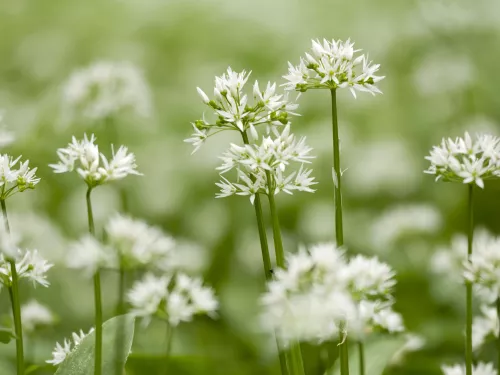
In April and May, our ancient woodlands are awash with the white, starry flowers and smell of wild garlic. Millions of bulbs can exist in just one wood, giving rise to dazzling 'white carpets'.
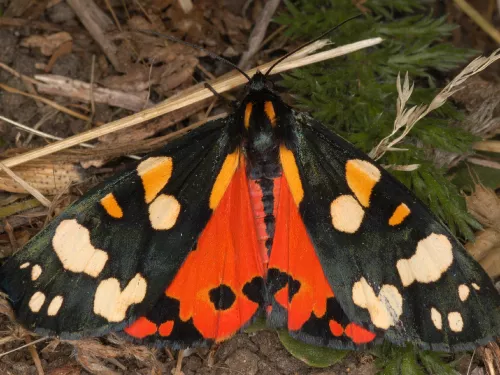
This beautiful moth is often found resting on leaves, though it does also fly during the day.
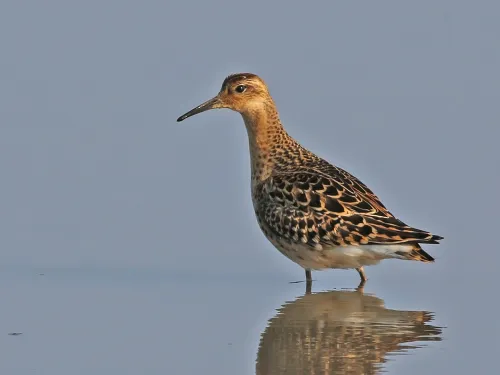
The UK hosts a small, but important, breeding population of ruff. The ruff is a large sandpiper that is so-called due to the large ruff of feathers around the males' neck. This is used in a showy display to attract a mate.
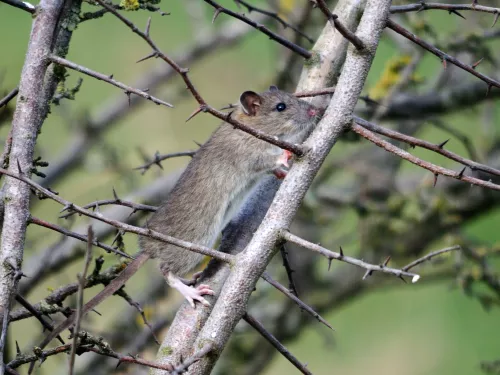
The brown rat has a bad reputation, but it mostly lives side-by-side with us without any problems. It can be seen in any habitat.
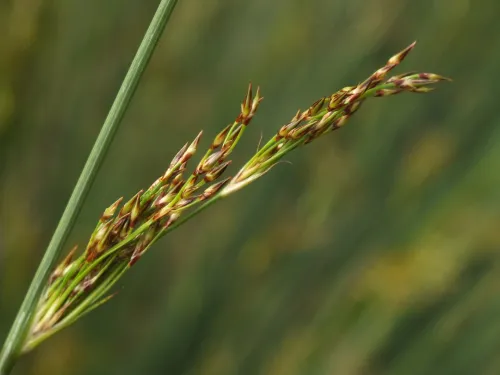
The stiff, spiky and upright leaves and brown flowers of hard rush are a familiar sight of wetlands, riversides, dune slacks and marshes across England and Wales.
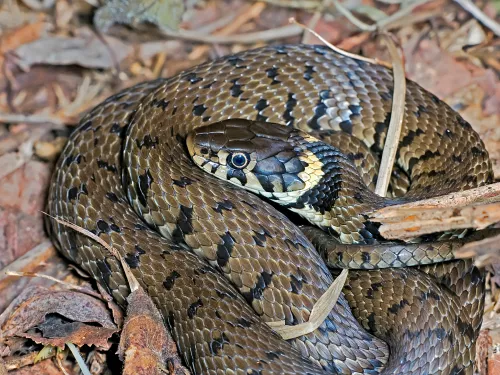
The grass snake is our longest snake, but don't worry if you find one in the compost heap - it's harmless! Look out for this green and yellow beauty in grasslands and wetlands, too.
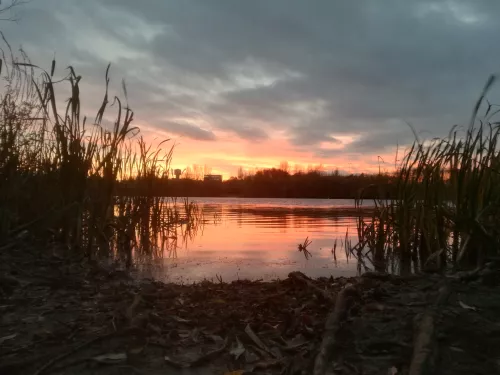
Conningbrook Lakes is made up of a series of lakes, ponds, river, wet woodland and grasslands – creating a great place for a riverside stroll, and host to a variety of wildlife.