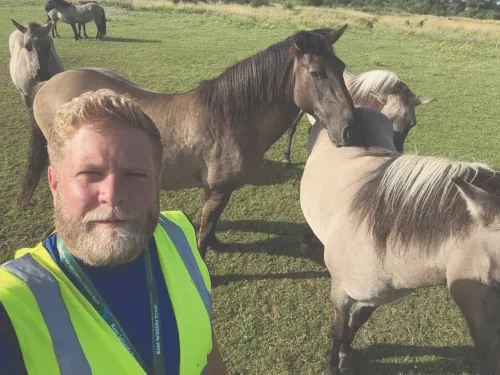
Kevin Caster

Wilder Grazing

Our ground-breaking Wilder Grazing Strategy supports the nature-positive management of our estates, encouraging wildlife recovery and adaptation to the changing climate. Meet some of the amazing animals that support our work.

Our team

Meet some of our current teams out on reserves now!

Voldemort's herd

Information page

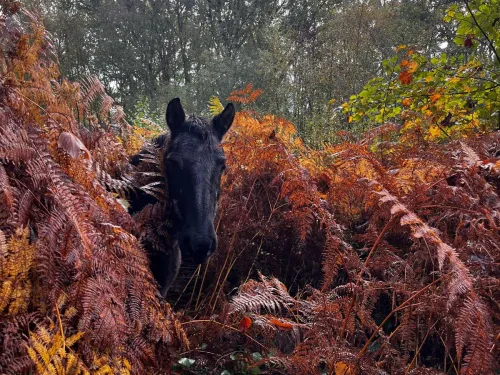
Head of the herd is Voldemort, a dark lord of horses...

The retirees

Information page

Living their best life surrounded by lots of grass.

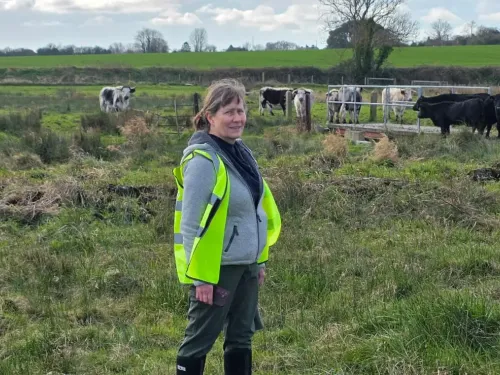
Dave Watson

The nomads

Information page

This lovable clan migrate around several reserves throughout the year led by their leader, Skittles.

Mini marvels

Information page

Miniature cows originally bred to live inside (and heat up) houses with some very big personalities.

The time team

Information page

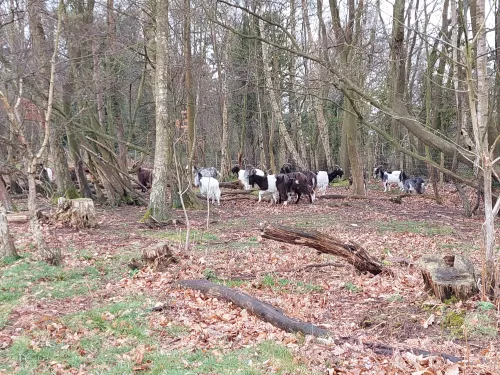
Goats chomping through the chestnut on an iron age hill fort.

Hide and seek pros

Information page

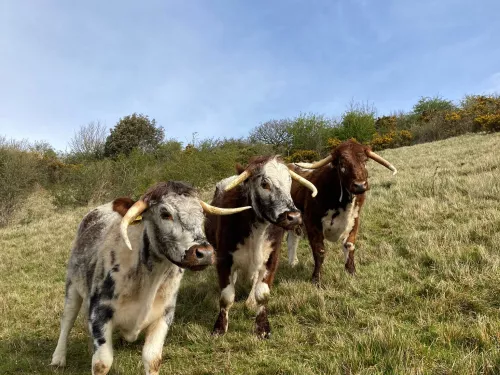
Our longhorn cattle are a beautiful British breed with unique markings and horns.

The ginger glam squad

Information page

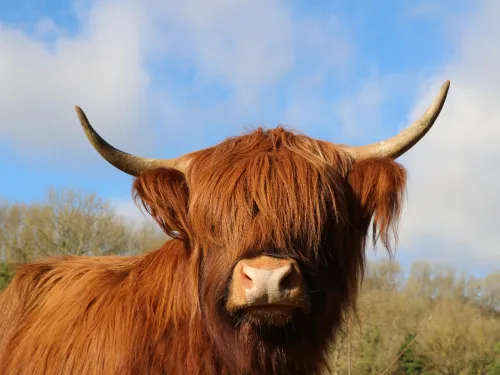
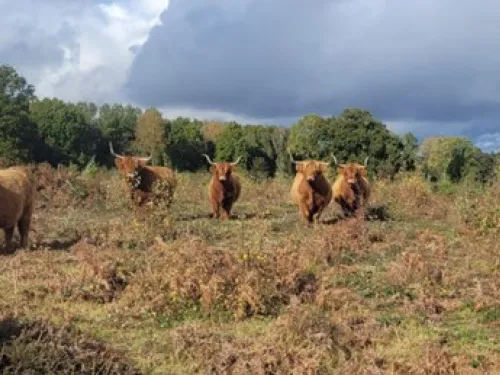
Meet the Highland cows that are part of our crucial Wilder Grazing programme

An A-Z of our breeds

Angus cross cattle

Information page

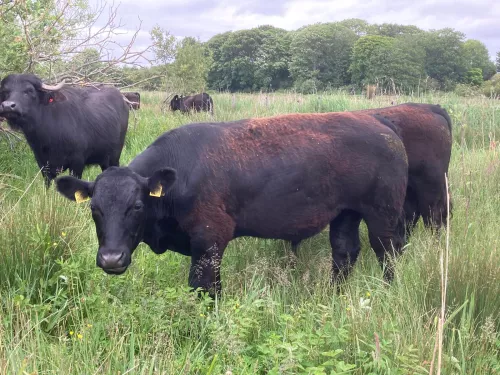
A result of Sussex and Angus parentage, these animals share the excellent temperaments of two breeds

Dexter Cattle

Information page

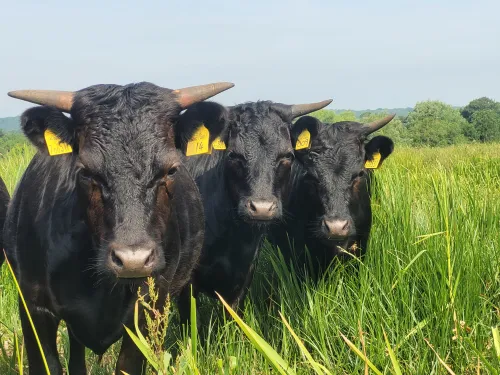
A small cow, tough and hardy with short pointy horns.

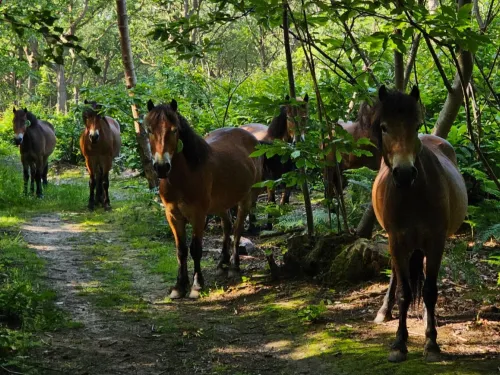
Exmoor ponies

Information page

Find out about Exmoor ponies and why we use them in conservation.
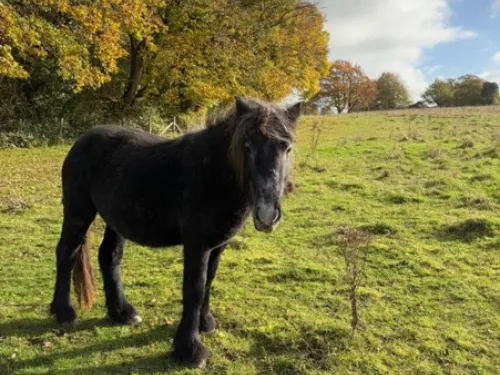
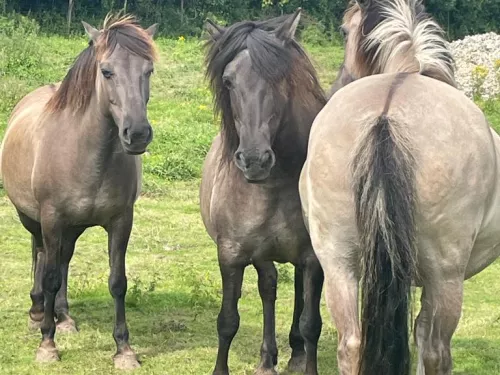
Fell ponies

Information page

Fell ponies are native to Cumbria in the Northwest of England. They were bred for their strength to climb steep slopes and scale rocky terrains whilst hauling heavy machinery and goods. Their thick coats and manes help to protect them from strong winds…

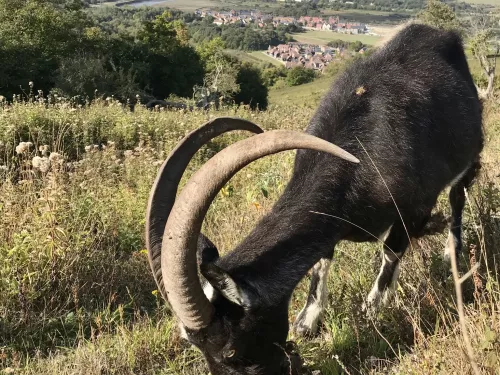
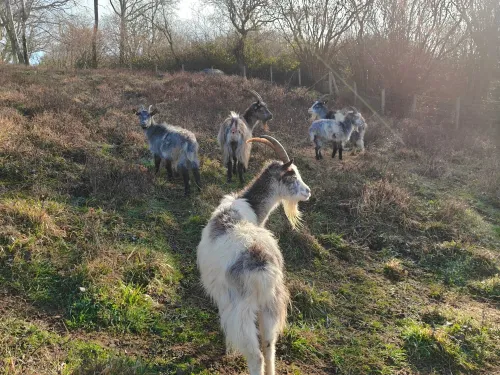
Feral goats

Information page

Coming in a wide range of sizes, colours and patterns, with an array of horn sizes and shapes, these goats are perhaps the ideal conservation animal.

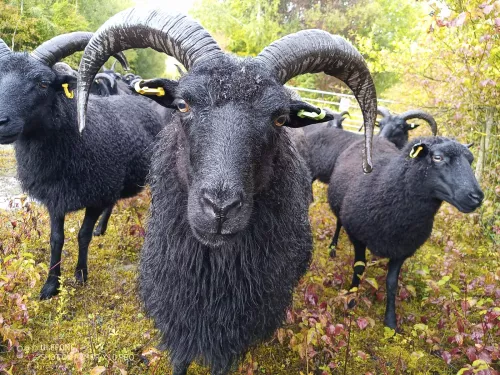
Hebridean sheep

Information page

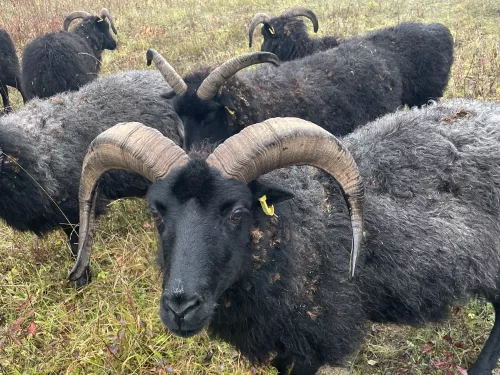
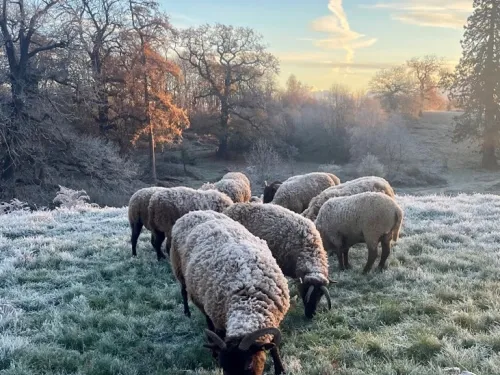
An all-black compact mountain sheep with a taste for bramble and young scrub.

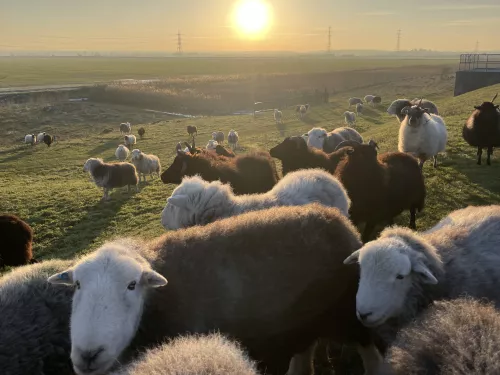
Herdwick sheep

Information page

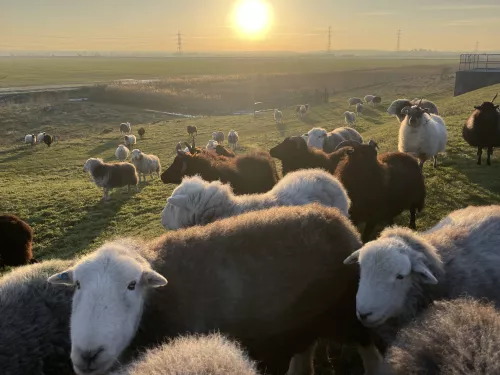
Resident of the Cumbrian fells for hundreds of years, this hill breed is the backbone of our sheep flocks.

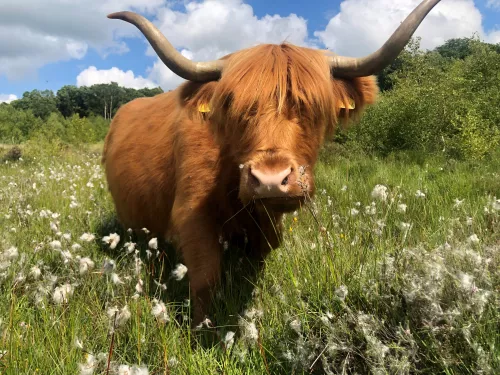
Highland cattle

Information page

Highland cows with their distinctive long horns and flowing coats are the unsung heroes of nature conservation.

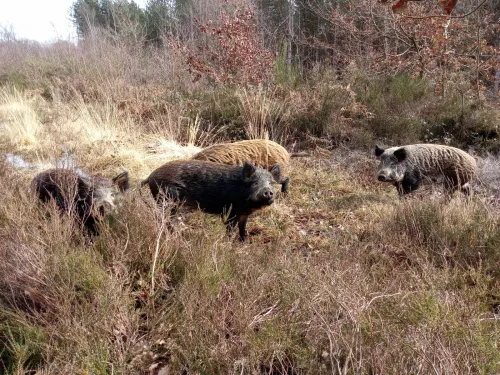
Iron-Age Pigs

Information page

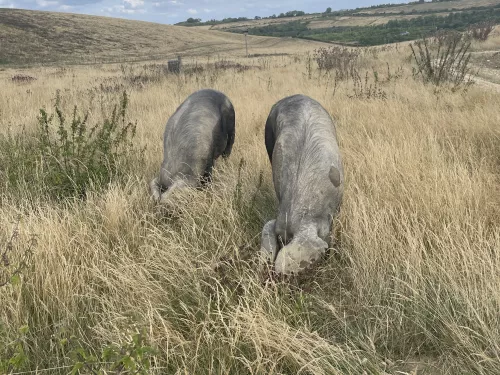
These pigs are as close as you can get to the wild boar and also, despite being a domesticated version of this wild species, share many of its traits.

Konik ponies

Information page

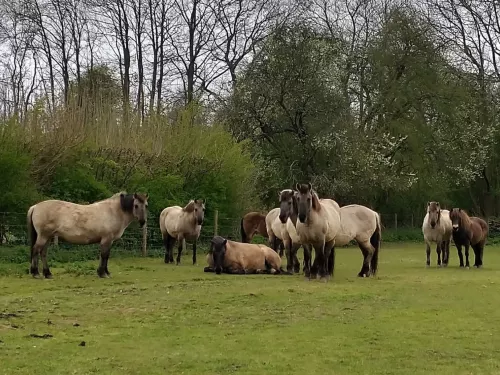
Konik ponies are one of the largest of the ‘pony’ breeds, often the size of a horse. 'Konik' literally means small horse. They are domestic ponies, bred over 100 years to live in the wild for conservation purposes.

Large black pigs

Information page

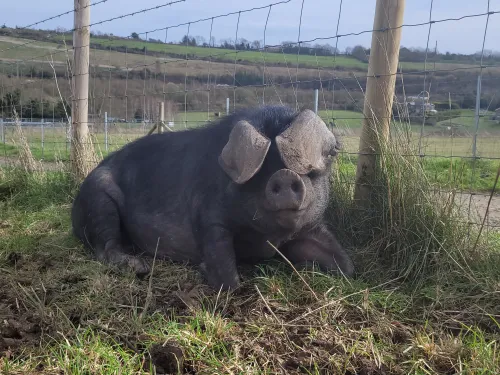
This pig breed is becoming popular with smallholders and free range farmers. Despite their large size, large black pigs are often friendly and placid.

Longhorn cattle

Information page

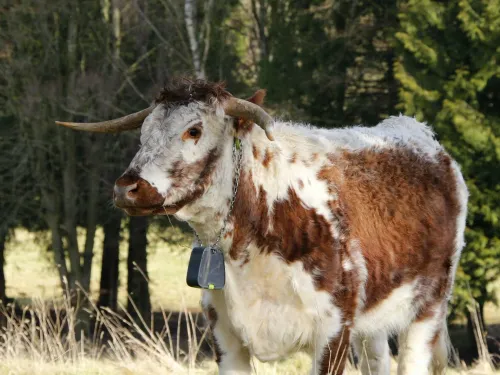
Longhorn cattle can be many colours but they are almost always brindle (splattered/stripey) with a white line down the spine. They have long backs and can have very impressive horns.

Manx sheep ©️ Alison Ruyter

Manx sheep

Information page

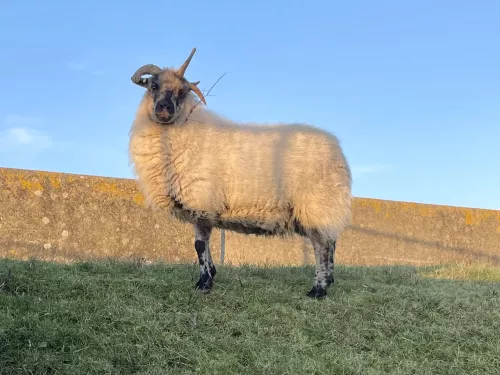
A striking unusual milky coffee coloured-sheep, often with four horns and sometimes as many as six. This primitive breed is originally from the Isle of Man. Their fleece self-sheds but they can also be shorn.

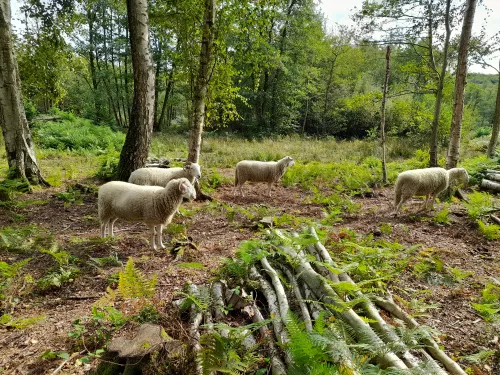
Shetland cross sheep

Information page

Similar to both the Hebridean sheep and the Manx, this is a compact, fine boned mountain sheep that can have two or four horns. Unlike our other two breeds of mountain sheep, Shetland sheep come in a wide variety of colours, so you will see cream and…

Sussex Cattle

Information page

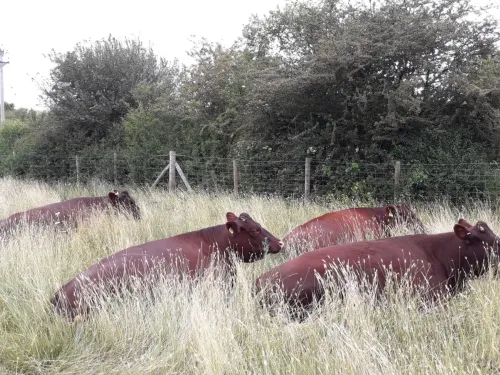
A richly red breed of cow specifically suited for the wet, woody ground of the Kent and Sussex Weald.

White-faced woodland sheep

Information page

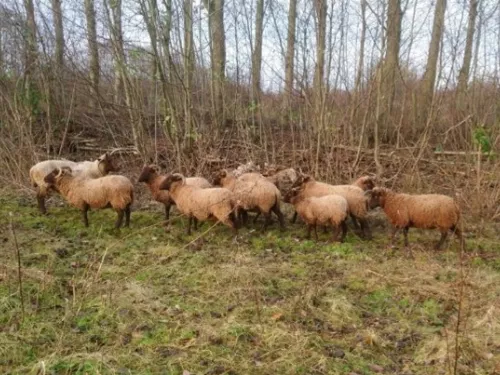
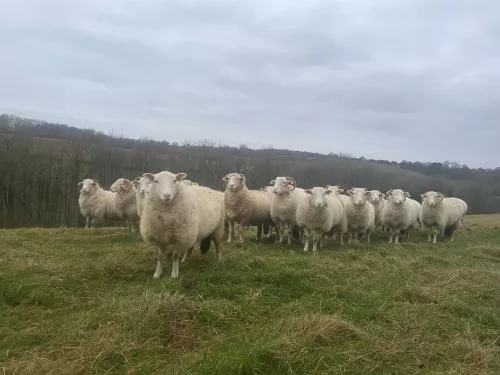
The story goes... they were bred by the Romans to take with them on their marches across the countryside so had to be strong, long-legged and happy to browse on whatever was available as they covered the length and breadth of the countryside.

Wilder Grazing Blogs

Konik ponies in conservation

Blog

Koniks (sometimes referred to as Konik Polski) are a non-native primitive breed that originate from Poland. They are a descendant of the tarpan, a type of European wild horse that went extinct in the 19th century. They have been bred for almost 80 years…

© Jess Allam

Seasonal weight changes in grazing animals

Blog

Wilder Grazing Ranger Volunteer Trainee, Ellie Edmondson, explores why grazing animals shed and gain weight throughout the year as part of a natural cycle.

©Philip Precey

Poisonous plants & grazing animals' natural instincts

Blog

In Kent, our grazing animals roam the reserves using their instincts and experience to guide them towards delicious nutritious vegetation and away from potentially toxic plants. This deep-rooted wisdom is a product of evolution and survival instincts…

Our plans for Polhill

Blog

How do you restore a chalk downland? Our appeal to purchase an extension to our existing Polhill Bank nature reserve offers us a unique opportunity to restore an additional 26 acres of arable land into a rare and biodiverse habitat in Sevenoaks, Kent. But…