

Buzzard
Listen out for the cat-like, 'kee-yaa' calls of the buzzard as it soars high over farmland and woodland. Once suffering from severe persecution and pesticide poisoning, it has made a stunning comeback to most of the UK.

Our woodlands are a key tool in the box when addressing climate change for their carbon storage potential, but are less well known for their potential to limit flooding events, with wet woodlands providing a great service in slowing the flow of water downstream after extreme rain events.
UK woodlands cover approximately 13% of land area and are estimated to soak up around 21 million tonnes of carbon dioxide a year. That's around a third of the carbon dioxide emitted by cars every year in the UK. Our woodlands are a key tool in the box when addressing climate change for their carbon storage potential, but are less well known for their potential to limit flooding events, with wet woodlands providing a great service in slowing the flow of water downstream after extreme rain events.
The woodlands we see today have been shaped by human history. The only truly wild woodlands that remain are inaccessible pockets in steep ravines, on cliffs or on some wooded islands in lochs.
Humans were using wood when they first arrived in Britain after the last Ice Age and have had a huge impact on the woodland since then. Some 12,000 years ago, retreating glaciers from the Ice Age left behind a bare, open habitat. The climate was cold and only low plants and lichens grew. The first trees to colonise were juniper and willow, followed by birches, aspen and then Scots pine. As the climate warmed, the pine trees retreated northwards, replaced by hazel then alder, oaks, elms and lime. Beech and hornbeam arrived later and never made it far north - possibly limited by the lack of woodland cover.
By the Neolithic period much of the UK was covered in wild woodland. This included clearings and glades created by storms and maintained by grazing animals like aurochs and wild boar. Then agriculture led to significant woodland clearance, which became faster with the development of metal tools in the Bronze Age. By the Iron Age, a human population of about 1 million was living in a land where 50% of the woodland cover had gone.
By the 20th century, woodland cover had reached an all-time low of about 5%. After the First World War, a need for woodland as a war-time reserve was recognised and planting began. This mostly resulted in coniferous forests on poor soils or within existing woodlands. By 1950, concern for the future of semi-natural woodlands began to grow as agricultural intensification led to further clearance. The conservation movement started protecting ancient woodland sites as nature reserves.
Woodland now covers around 12% of the UK and around half of this is coniferous plantation. The area of semi-natural ancient woodland is tiny – just 1.2% of the UK. However, there is increasing interest in creating new woodlands.
The role of woodland in combatting climate change by storing carbon is better understood, although its importance in flood control is still overlooked. The creation and increasing popularity of Forest Schools has also seen children growing up loving woodlands and their wildlife.
Britain remains one of the least-wooded countries in Europe and the tiny area of surviving ancient woodland is still under threat. Woodland birds and butterflies continue their long-term declines.
Traditional ways of managing woodlands, such as coppicing (a system of periodically cutting a tree down to ground level to stimulate growth) declined significantly as demand for wood for tools and crafts fell. As a result, many woodlands have either been left unmanaged or managed for timber. This has led to structural change within the wood, a lack of trees at different stages of growth and a lack of opportunities for animals to thrive.
Woodland species are often not very mobile and the fragmentation of their habitat means isolated wildlife populations can be at risk of local extinctions.
Natural woodland regeneration is being limited by larger deer populations. Their overgrazing endangers their future by reducing regrowth of young trees. The arrival of new diseases like ash dieback may also have far reaching consequences. Climate change may increase vulnerability through changes in temperature, in rainfall and in the frequency and severity of storm events.
Development pressure remains a problem, particularly in the south-east of England where homes and roads threaten woodland. If you own or manage a woodland, there are things you can do to provide habitats for a range of woodland wildlife. Read more about how to manage woodlands for wildlife.
The Wildlife Trusts care for hundreds of woodland nature reserves, managing them sympathetically for wildlife, and encourage others to do so, too. A mix of coppicing, scrub-cutting, maintaining rides and glades, and non-intervention all help woodland wildlife to thrive.
Listen out for the cat-like, 'kee-yaa' calls of the buzzard as it soars high over farmland and woodland. Once suffering from severe persecution and pesticide poisoning, it has made a stunning comeback to most of the UK.
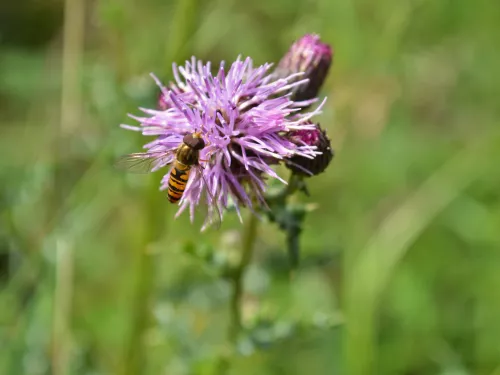
Our most common hoverfly, the marmalade fly is orange with black bands across its body. It feeds on flowers like tansy, ragwort and cow parsley in gardens, hedgerows, parks and woodlands.
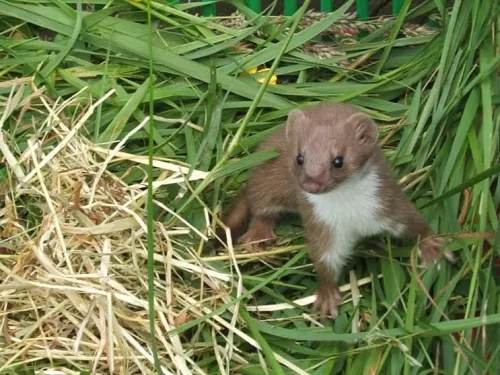
Weasels may look adorable, but they make light work of eating voles, mice and birds! They are related to otters and stoats, which is obvious thanks to their long slender bodies and short legs.
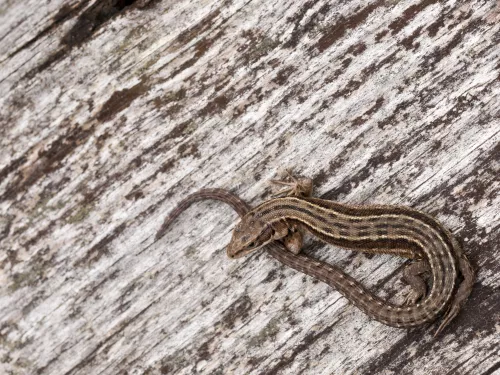
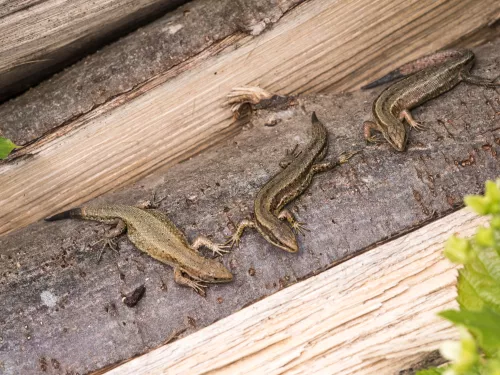
Look out for a common lizard basking in the warm sun as you wander around heathlands, moorlands and grasslands. You might even be lucky enough to spot one in your garden, too!
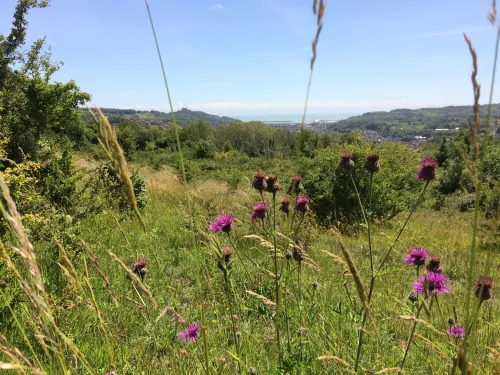
Old Park Hill has a range of habitats but needs to be managed and restored to return it to its early 20th century character, when most of the site would have been open chalk land.
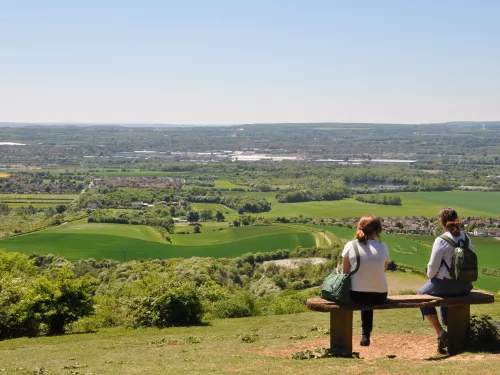
Whether standing above the clouds on a winter's morning or watching the last rays of sun striking reds, purple and gold across the valley, there is always something fantastic about this place.
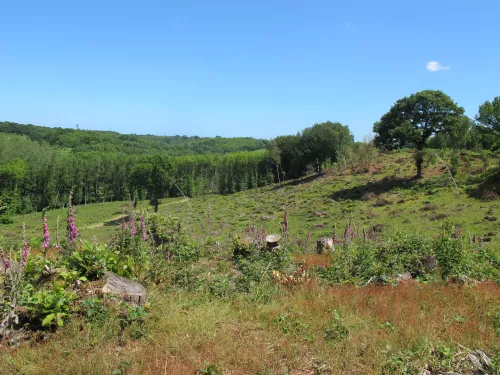
Bigbury Camp is an Iron Age hillfort in Howfield Wood, a short hop from the centre of Canterbury.
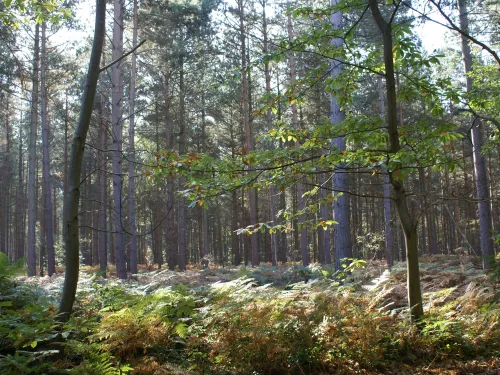
Ancient Woodland with large areas undergoing restoration from more modern commercial forestry.
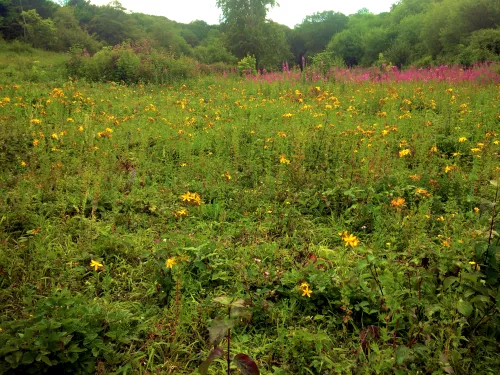
This is a site with something to see in all seasons with a fantastic display of fungi and leaf colour in the autumn, jewel bright wildflowers in the spring and summer and silhouettes of birds of prey gliding across the winter sky.
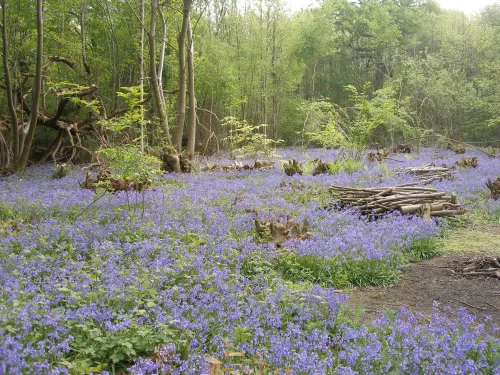
Tranquil ancient mixed woodland with a stream and ponds.
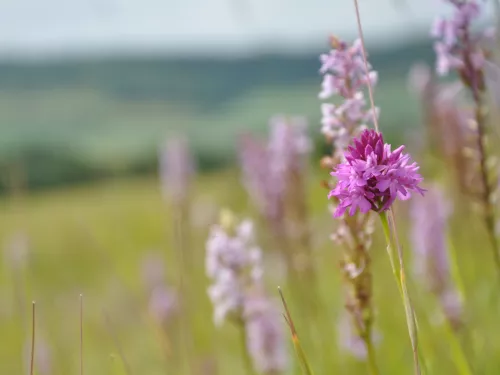
A west and south-west facing slope of the North Downs on the eastern side of the Darent Valley.
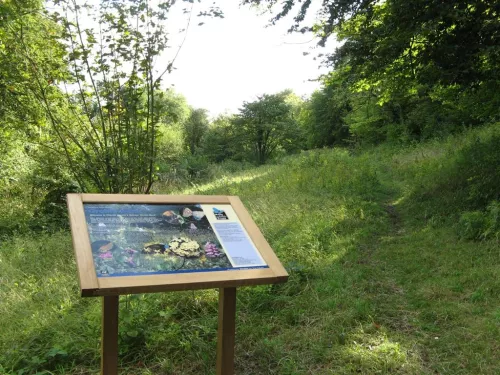
Downe Bank is a uniquely special nature reserve, due to fundamental scientific studies carried out here by Charles Darwin.
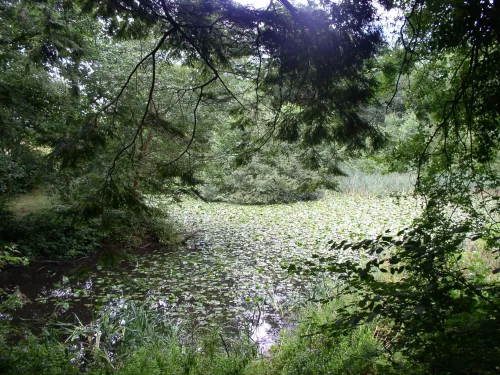
A small woodland reserve centred around a lake
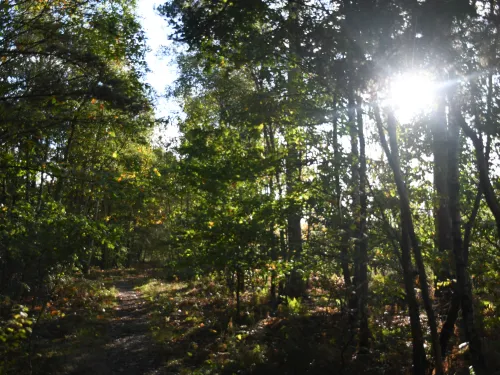
Ancient woodland with heathland and bog
The largest Kent Wildlife Trust reserve, home to the Wilder Blean project where we have introduced European bison, ponies and iron-age pigs.
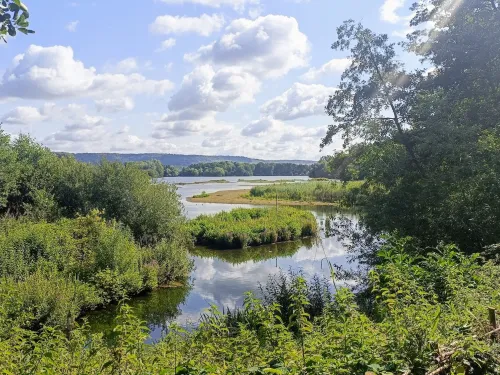
Welcome back to the refurbished Harrison Visitor Centre! This 73 hectare site was the first example of a gravel pit site being developed for the purpose of nature conservation. It is home to a diverse range of plants, fungi, birds and dragonflies & damselflies.
The 'Bank' is almost four hectares of chalk grassland on a southeast-facing hillside with commanding views of the Darent Valley.
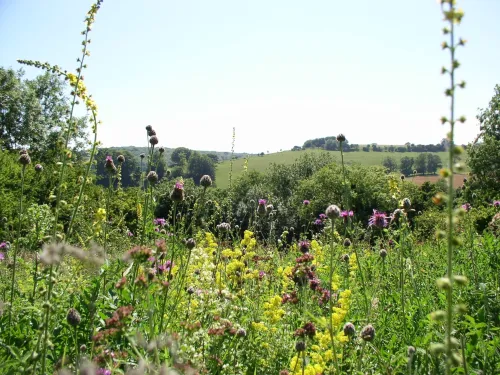
Sweeping downland slopes packed with wildlife on the outskirts of Dover.
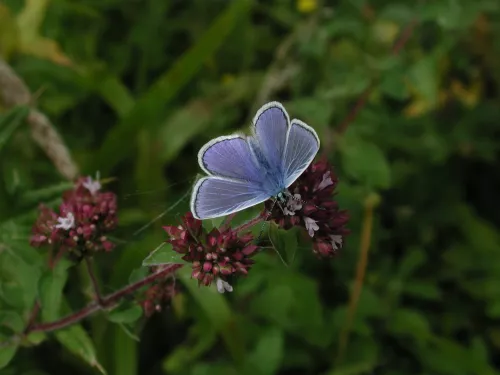
An ancient woodland with some areas of grassland with interesting associated flora.
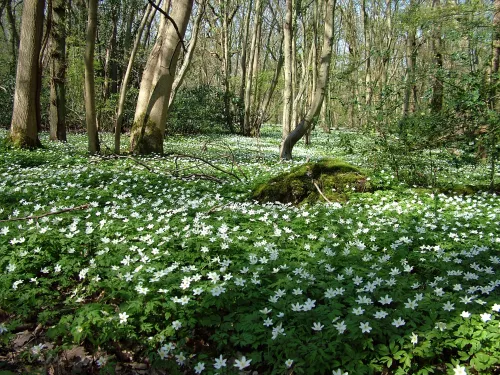
This Ancient semi-natural woodland is recognised as a site of international importance for wildlife.
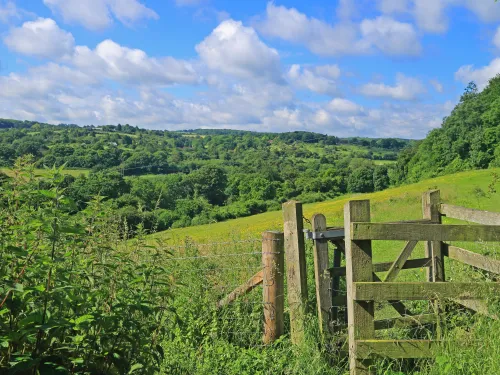
As you leave the car park, you are greeted by Queendown Warren stretching from one side of the valley to the other. The reserve is a 76.5ha site containing a mixture of Chalk Grassland, open Pasture, and Woodland.
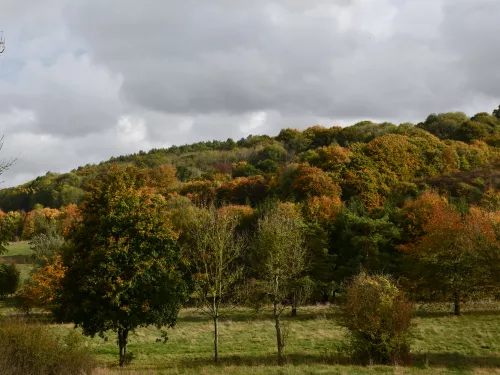
Heather Corrie Vale is located in the Darent Valley, which is an extremely valuable part of the Nature Recovery Network.
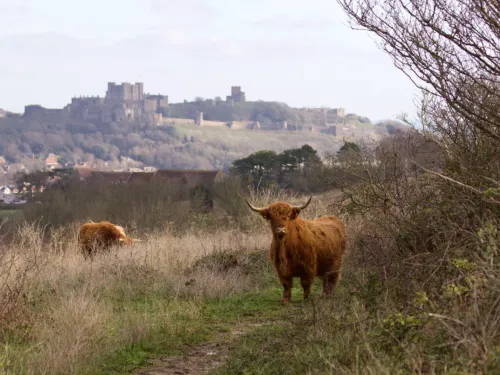
One of Kent Wildlife Trust’s newest Dover reserves, Coombe is undergoing management to restore chalk downland to the reserve, with a future goal to re-introduce frog orchids back to the site.
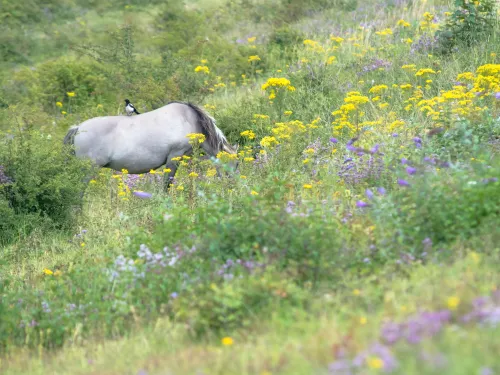
Located next to an industrial estate on the outskirts of Dover, it is hard to believe a nature reserve is there when driving through the estate.
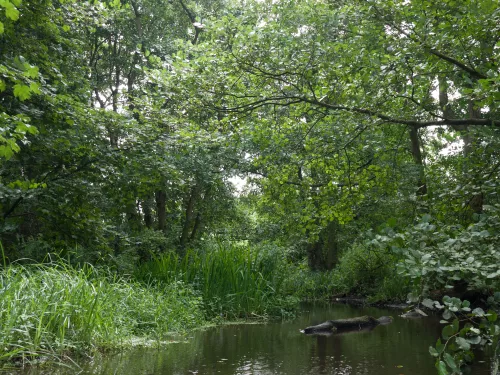
Wet woodlands in the UK can be wild, secretive places. Tangles of trailing creepers, tussocky sedges and lush tall-herbs conceal swampy pools and partially submerged fallen willow trunks, likely to deter all but the most intrepid enthusiast. These are…
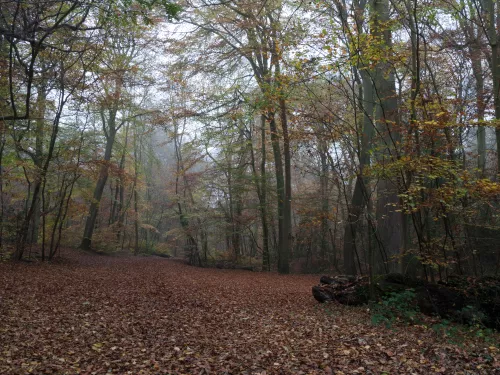
Soaring beech trunks and a feeling of spaciousness mean that these woods have often been likened to cathedrals. Dense shade means that little grows on the thick layer of fallen leaves underfoot, but some of our most treasured and enigmatic orchids are…
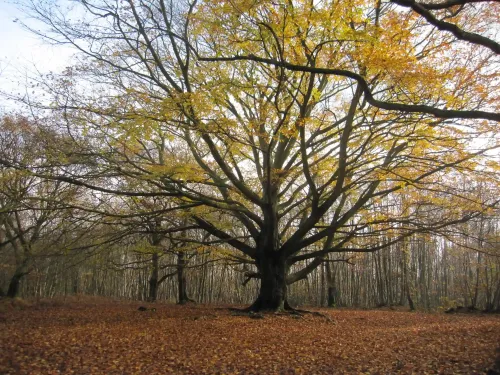
Natasha Ruskin explores something terrifying: a world without woodlands.
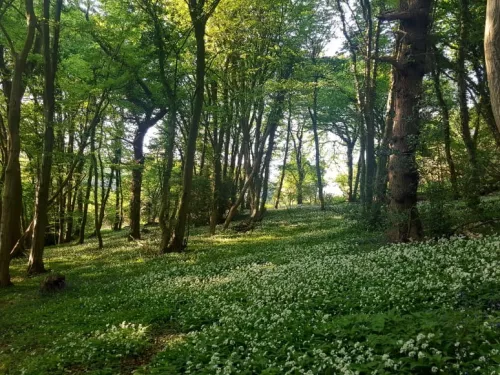
Be sure to check out these 10 woods whilst exploring Kent, each offering something a little different across the county.
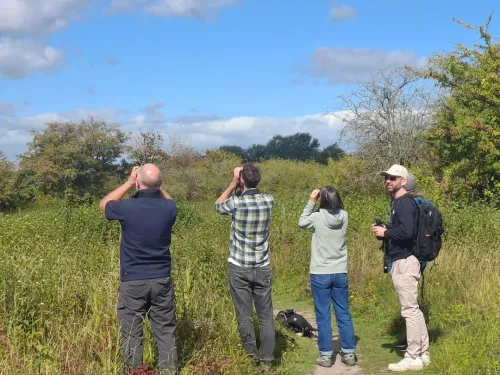
Ecological Data Analyst, Lawrence Ball, talks about a recent team day out to Dane Valley Woods - and the team tells us what makes it so special.