

Buzzard
Listen out for the cat-like, 'kee-yaa' calls of the buzzard as it soars high over farmland and woodland. Once suffering from severe persecution and pesticide poisoning, it has made a stunning comeback to most of the UK.

Soaring beech trunks and a feeling of spaciousness mean that these woods have often been likened to cathedrals. Dense shade means that little grows on the thick layer of fallen leaves underfoot, but some of our most treasured and enigmatic orchids are found here while dark, muffled yew woods hold some of our most ancient trees.
Towering stands of beech and yew wood can be found neatly parcelled on hill top plateaus, clinging to the sides of chalk downland, or sprawling in an unruly mix with lowland heathland. There are also beech plantations, some of considerable age. While other species are usually very limited (a consequence of the deep shade cast by the beech trees and the slow decay of its leaves), more chalky (calcareous) sites can hold some of our most rare and elusive orchids. Pollarded beeches growing adjacent to open habitats may be particularly rich in epiphytic lichens and rare beetles.
Pure yew woods (which are rare in Europe) are also found, particularly where the dry, shallow soils of steep slopes discourage other species. Here the dramatic forms of the yews themselves are the main focus – some live for more than a thousand years – and the woods are quite species poor. There may be a little ash, whitebeam or elder and sparse patches of dog’s mercury, while box is a feature in some localities. Yew woods are also found further north, where ash and elm may also be present and the flora begins to resemble that of upland mixed ash wood (with which it is sometimes grouped).
Beech was not an early coloniser after the last ice age, and is thought to have replaced other tree species (notably lime where this was reduced by livestock grazing and felling). Beech and yew wood can cope with a wide range of substrates, although the substrate influences its composition. On the chalks and limestones of the Chilterns, Downs and Cotswolds, ash and sycamore join beech in the canopy and yew is joined by whitebeam in the shrub layer. On the acid sandy gravels of the New Forest, High Weald and Thames Basin, oak becomes common and the ground flora is more heathy in character. Neutral, damp brown soils allow beech to gain its greatest stature and here it is often only accompanied by bramble and holly.
In the carboniferous and magnesium limestone country of northern England, yew groves are found on steep slopes and in ravines. On the most inaccessible sites, it may be primary woodland that has never been cleared. On the southern chalkland it is mostly secondary, and is dynamic – it can grow under the protection of juniper and hawthorn scrub when grazing levels decrease on chalk grassland, but it does not regenerate under its own shade, so gradually deteriorates, meaning that over time the boundaries shift.
Although mainly limited to the warmer south and east of England, beech flourishes when planted further north, and the limit to this woodland type may be a result of habitat fragmentation impeding its spread, rather than any climatic limits. However, it is now colonising sites outside of its historic range and challenging our notions of habitat types. Pure yew wood reaches north Wales and the north of England. There are around 20,000 ha in the UK.
Beech wood is famed for its saprophytes – species growing on decaying organic matter. Look in the leaf litter for fungi (chanterelles and boletes) and orchids (bird’s nest orchid and yellow bird’s-nest and a whole array of helleborines). Invertebrates can be hard to recognise, but look out for the distinctive yellow-ringed comb-horn, which breeds in rot holes in beech trees. The triangle spider spins a characteristic triangular web on yew branches.
Historically, beech was used for turning, and yew for longbows – neither of which provide much of an economic incentive for conservation today. However, beech woods suffered less from clearance than other woodland types, although they were often replanted with conifers or non-native species. Urban growth is an issue for some sites and care will be needed to protect against increased trampling, disturbance and pollution. Beech is susceptible to drought and storm damage, so climate change is likely to have significant impact, while yew may become more geographically restricted. Today, conservation issues revolve around ecological functionality. Reducing the impacts of deer and grey squirrels will help with the slow deterioration caused by a lack of regeneration at some sites, while freeing up the boundaries of woodland by altering management on adjacent land would allow small-scale migration and rejuvenation.
Listen out for the cat-like, 'kee-yaa' calls of the buzzard as it soars high over farmland and woodland. Once suffering from severe persecution and pesticide poisoning, it has made a stunning comeback to most of the UK.
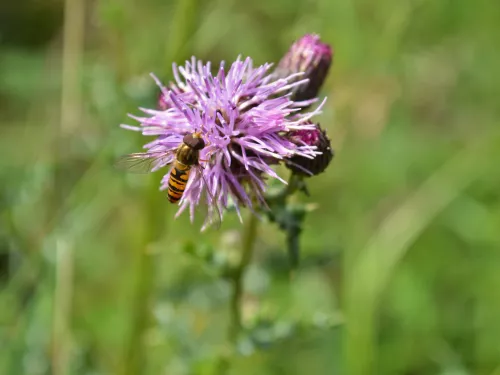
Our most common hoverfly, the marmalade fly is orange with black bands across its body. It feeds on flowers like tansy, ragwort and cow parsley in gardens, hedgerows, parks and woodlands.
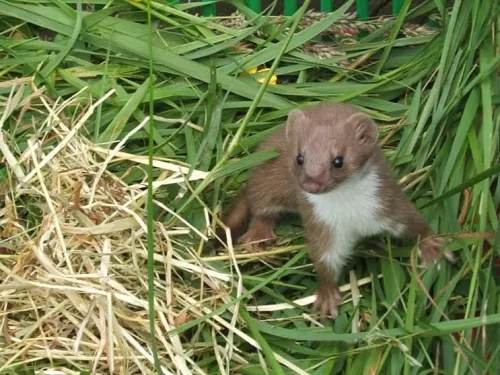
Weasels may look adorable, but they make light work of eating voles, mice and birds! They are related to otters and stoats, which is obvious thanks to their long slender bodies and short legs.
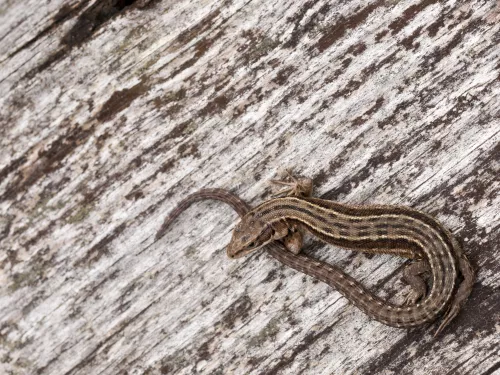
Look out for a common lizard basking in the warm sun as you wander around heathlands, moorlands and grasslands. You might even be lucky enough to spot one in your garden, too!
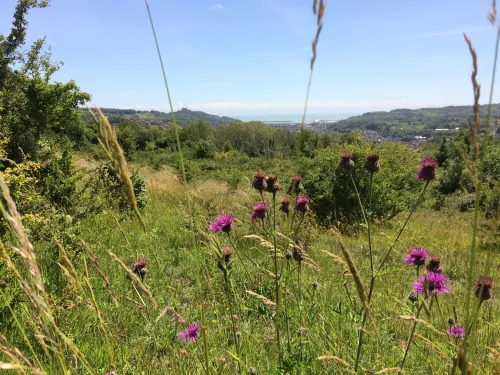
Old Park Hill has a range of habitats but needs to be managed and restored to return it to its early 20th century character, when most of the site would have been open chalk land.
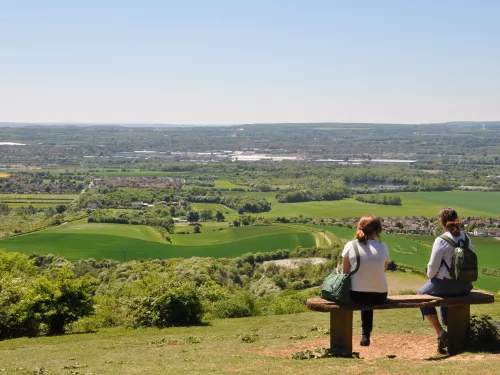
Whether standing above the clouds on a winter's morning or watching the last rays of sun striking reds, purple and gold across the valley, there is always something fantastic about this place.
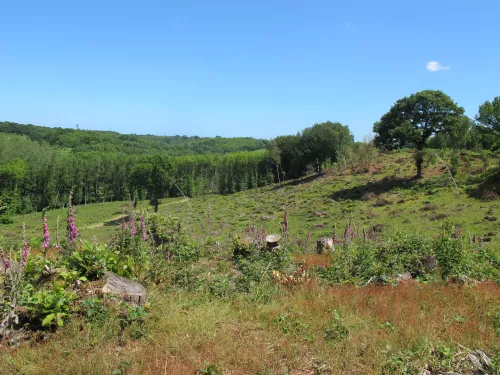
Bigbury Camp is an Iron Age hillfort in Howfield Wood, a short hop from the centre of Canterbury.
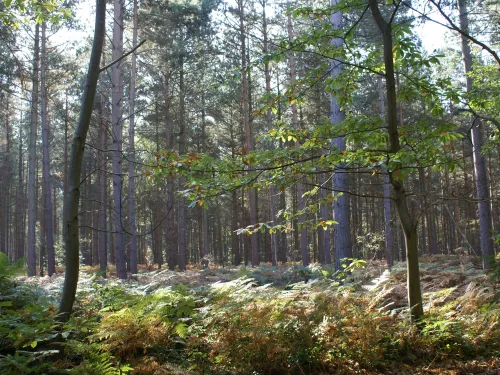
Ancient Woodland with large areas undergoing restoration from more modern commercial forestry.
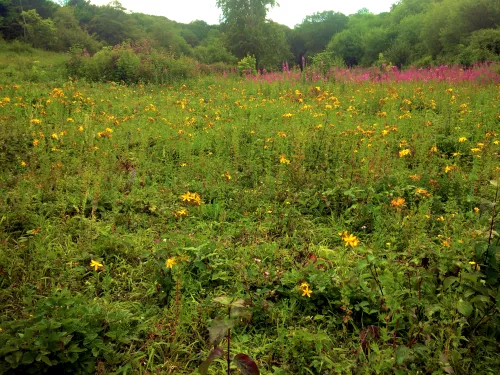
This is a site with something to see in all seasons with a fantastic display of fungi and leaf colour in the autumn, jewel bright wildflowers in the spring and summer and silhouettes of birds of prey gliding across the winter sky.
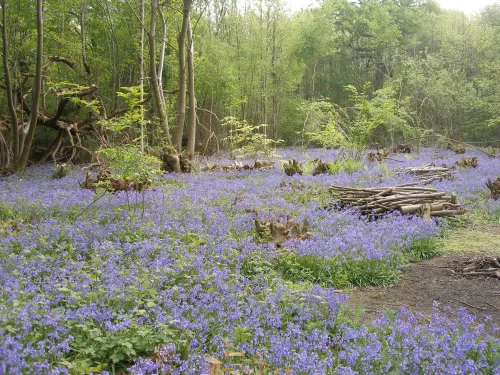
Tranquil ancient mixed woodland with a stream and ponds.
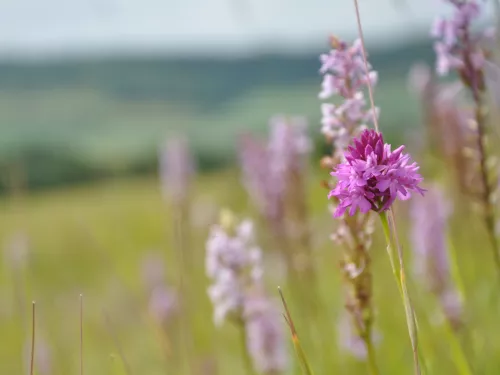
A west and south-west facing slope of the North Downs on the eastern side of the Darent Valley.
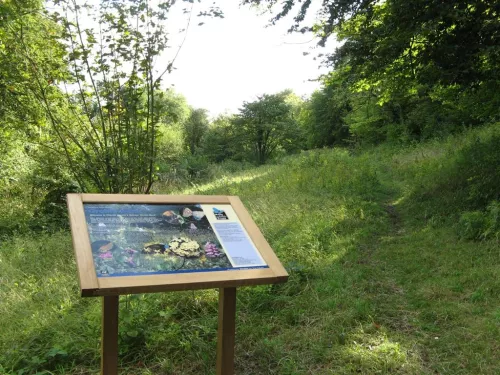
Downe Bank is a uniquely special nature reserve, due to fundamental scientific studies carried out here by Charles Darwin.
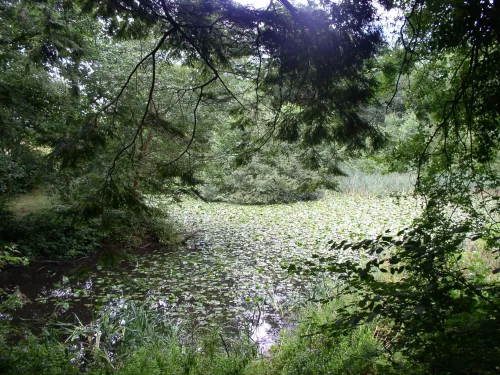
A small woodland reserve centred around a lake
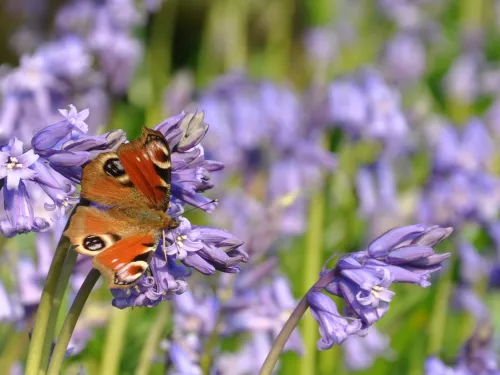
Ancient woodland with heathland and bog
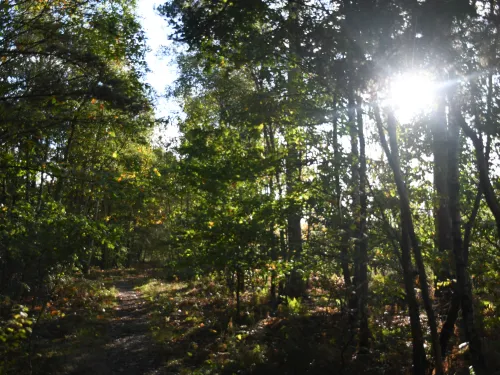
The largest Kent Wildlife Trust reserve, home to the Wilder Blean project where we have introduced European bison, ponies and iron-age pigs.
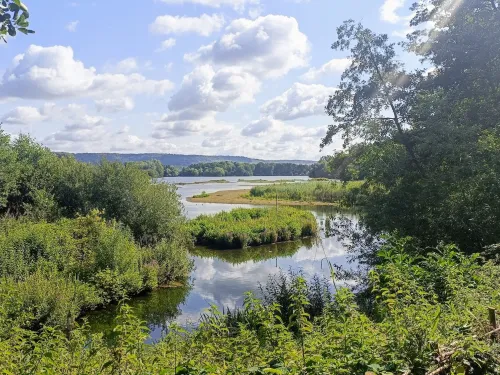
Welcome back to the refurbished Harrison Visitor Centre! This 73 hectare site was the first example of a gravel pit site being developed for the purpose of nature conservation. It is home to a diverse range of plants, fungi, birds and dragonflies & damselflies.
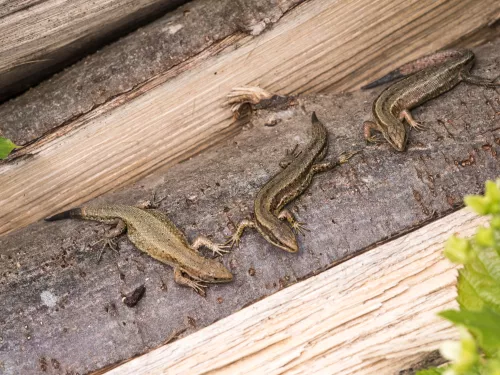
The 'Bank' is almost four hectares of chalk grassland on a southeast-facing hillside with commanding views of the Darent Valley.
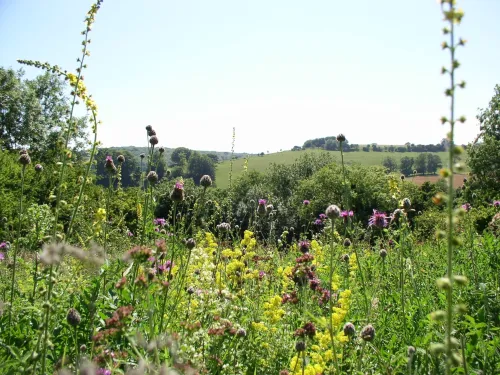
Sweeping downland slopes packed with wildlife on the outskirts of Dover.
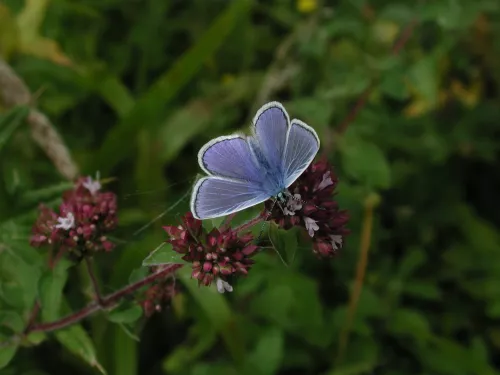
An ancient woodland with some areas of grassland with interesting associated flora.
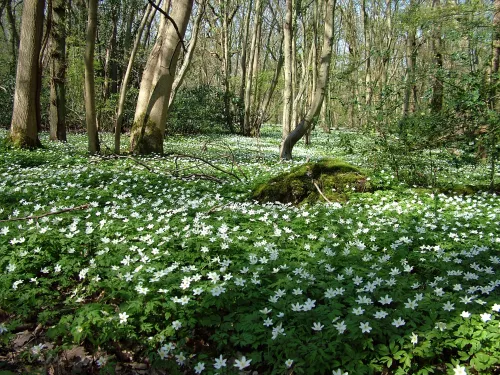
This Ancient semi-natural woodland is recognised as a site of international importance for wildlife.
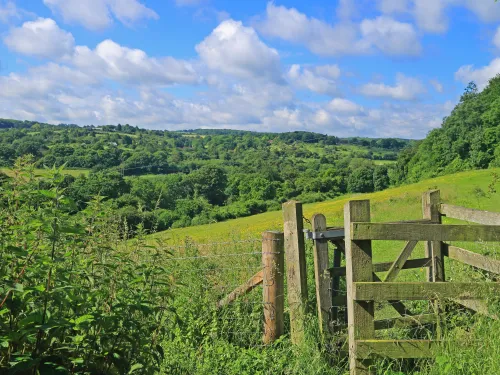
As you leave the car park, you are greeted by Queendown Warren stretching from one side of the valley to the other. The reserve is a 76.5ha site containing a mixture of Chalk Grassland, open Pasture, and Woodland.
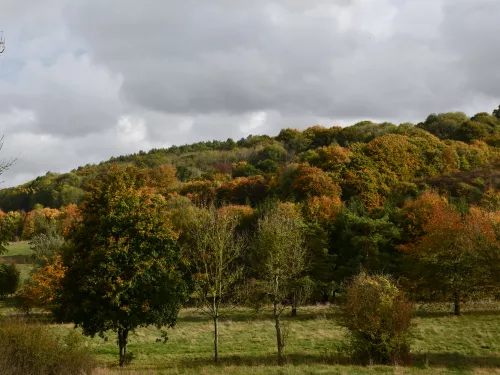
Heather Corrie Vale is located in the Darent Valley, which is an extremely valuable part of the Nature Recovery Network.
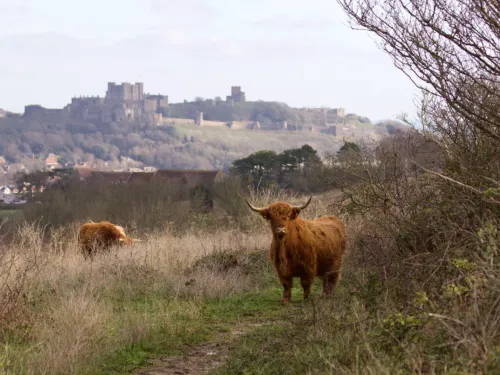
One of Kent Wildlife Trust’s newest Dover reserves, Coombe is undergoing management to restore chalk downland to the reserve, with a future goal to re-introduce frog orchids back to the site.
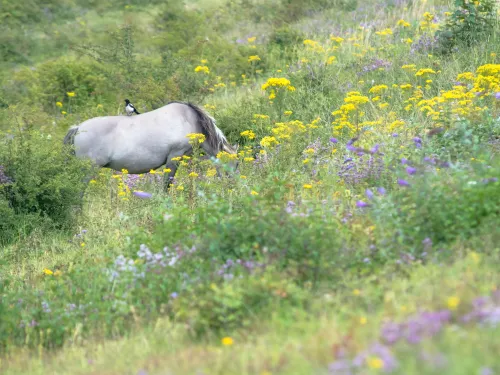
Located next to an industrial estate on the outskirts of Dover, it is hard to believe a nature reserve is there when driving through the estate.
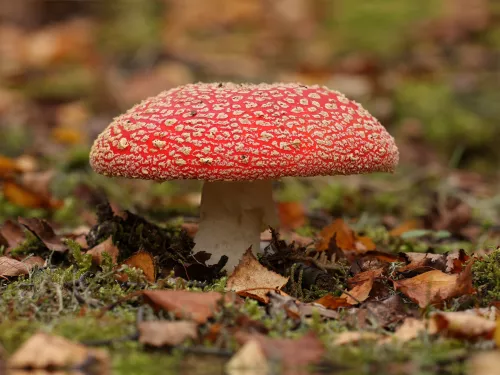
Part of an internationally important yew woodland, with steep chalky slopes occupied by a dense stand of yew overtopped in places by mature ash and beech.