©John Abbot

Wetlands

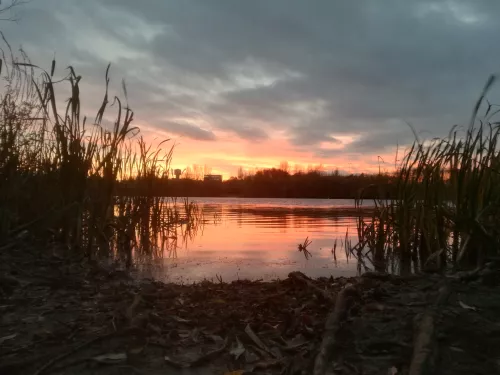
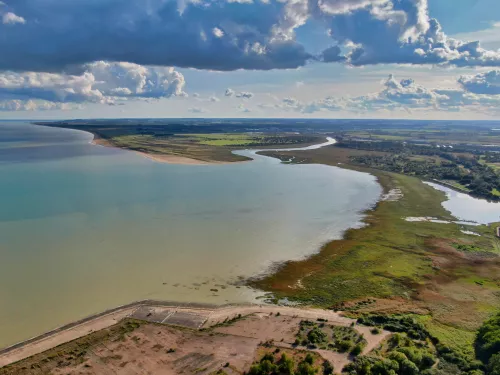
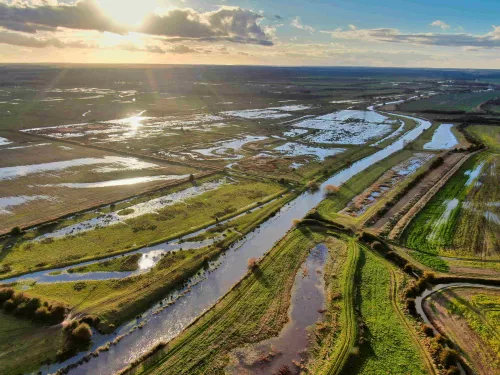
Healthy wetlands store carbon and slow the flow of water, cleaning it naturally and reducing flood risk downstream. They support an abundance of plant life, which in turn provide perfect shelter, nurseries and breeding grounds for wildlife.

Kent species in wetland habitats

Amy Lewis

Grasshopper warbler

This small summer migrant travels from Africa to breed in the reedbeds of the UK. Rarely seen but given away by its insect like trilling call; the movement of the head during calling makes it tricky to pinpoint the exact location of singing perch.

©Malcolm Storey

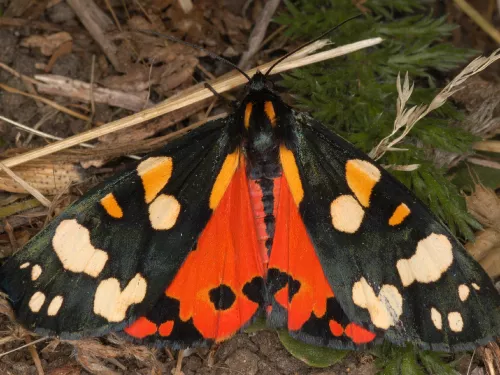
Scarlet tiger moth

This beautiful moth is often found resting on leaves, though it does also fly during the day.

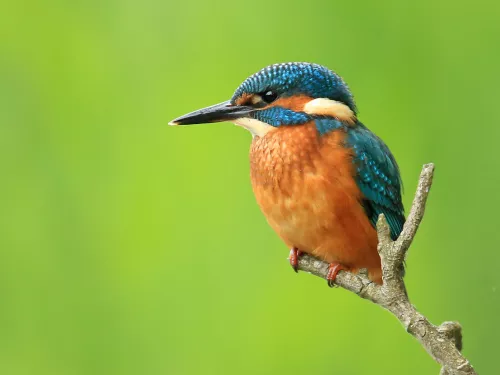
Kingfisher

Blink and you may miss the fantastic kingfisher! This beautiful bird is easy to recognise thanks to its bright blue and metallic copper colours. It darts along the riverbank or sits patiently on a low branch over the water waiting for its next meal to swim by.

© Stefan Johansson

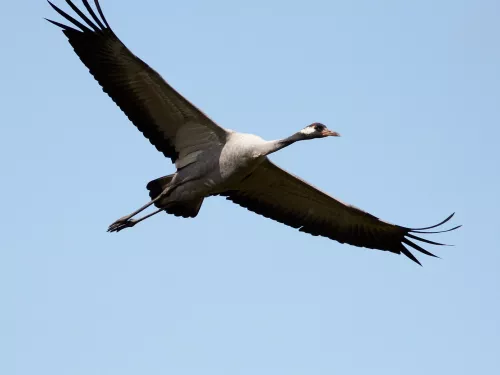
Common crane

As the UK’s tallest bird the common crane is instantly recognisable with the ruffle of tail feathers and very long legs. Their bugling call is also very distinctive.

David Tipling

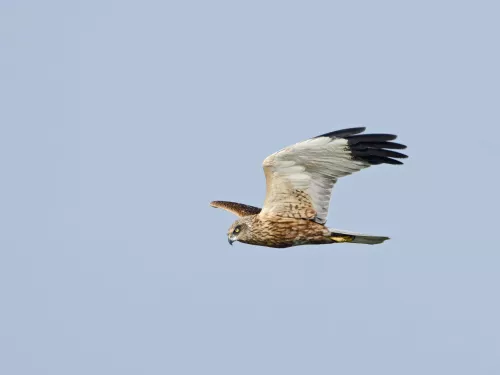
Marsh harrier

The courtship of the marsh harrier is certainly a sight to behold - wheeling and tumbling through the sky, male and female partners lock talons in mid-air. Look out for this rare bird over reedbeds in East Anglia, Somerset and the South East.

Mark Hamblin

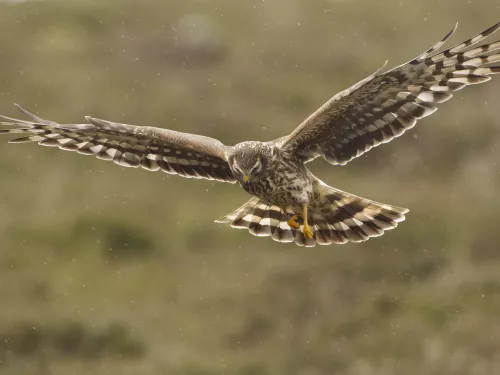
Hen harrier

The hen harrier has been severely persecuted for taking game species and has suffered massive declines in numbers as a result. Thankfully, conservation projects are underway to reduce conflict surrounding its controversial prey.

© Nick Upton

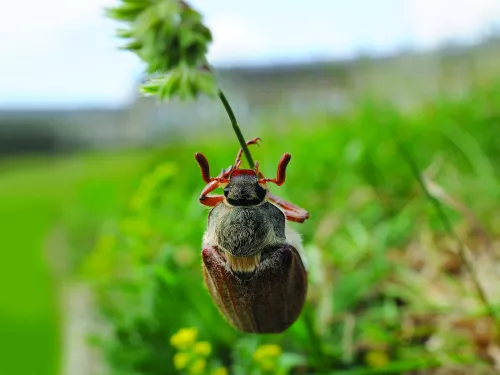
Common cockchafer

This large, brown beetle can be seen swarming around streetlights in spring. They live underground as larvae for years and emerge as adults often in large numbers. Listen for their characteristic buzzing sound.

© Guy Edwardes

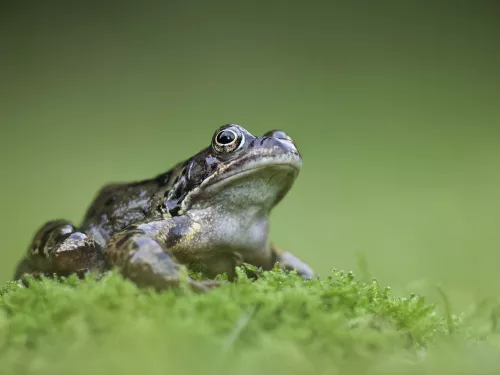
Common frog

Our most well-known amphibian, the common frog is a regular visitor to garden ponds across the country, where they feast on slugs and snails. In winter, they hibernate in pond mud or under log piles.

Our reserves with wetland habitats

Conningbrook Lakes Country Park

Conningbrook Lakes is made up of a series of lakes, ponds, river, wet woodland and grasslands – creating a great place for a riverside stroll, and host to a variety of wildlife.

© Louise Kelly

South Swale

In the winter, South Swale welcomes migrating birds such as brent geese, turnstones, dunlin, avocets, osytercatchers and ringed plovers. In the summer, it's home to carpets of flowers which attract butterflies and some rare bee species!

Sandwich and Pegwell Bay

Listen to the rolling waves on the sand and shingle, breathe in the saline scents of the saltmarsh, and watch the wonderful wildlife this very important and sensitive National Nature Reserve has to offer.

Tim Horton

Oare Marshes

Oare Marshes is an international importance for migratory, overwintering and breeding wetland birds, the reserve consists of grazing marsh (one of a few left in Kent).

Holborough Marshes

Lying along the edge of the river Medway, this patchwork of wet fields and scrub is criss-crossed by ditches and home to many rare and unusual plants and animals.

Ian Rickards

Hothfield Heathlands

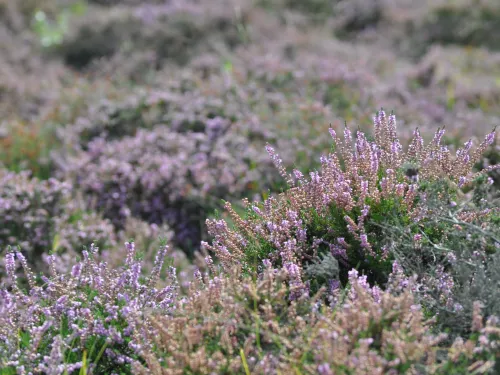
Rich in flora and fauna, this important reserve contains Kent's last four valley bogs and one of its few remaining fragments of open heath.

Holborough Marshes

Lying along the edge of the river Medway, this patchwork of wet fields and scrub is criss-crossed by ditches and home to many rare and unusual plants and animals.

Types of wetland habitats in Kent

Lowland fen

Habitat

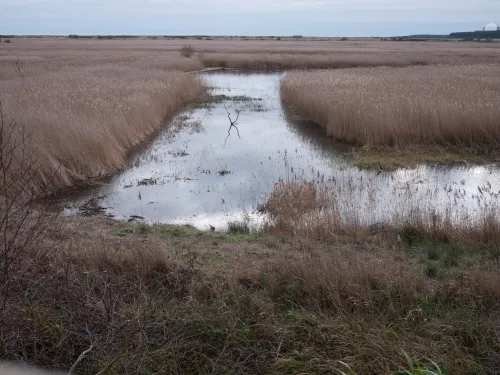
Water-logged and thick with reeds and robust tall-herbs or tussocky sedges, fens are evocative reminders of the extensive wet wildlands that once covered far more of the lowlands than they do today.

Reedbed

Habitat

Found between water and land, reedbeds are transitional habitats. They can form extensive swamps in lowland floodplains or fringe streams, rivers, ditches, ponds and lakes with a thin feathery margin of reeds.

Support wetland habitats in Kent

We’re on a mission to raise £3 million to restore habitats - like wetlands - and reverse species decline by 2030 through our KWT Nature Restoration Fund. From reedbeds to riverbanks, wetlands are nature’s lifeline. We’re restoring these waterlogged habitats to support beavers, amphibians, water voles and marsh harriers, and increase flood resilience. You can support the Fund by making a donation or by finding out more and spreading the word!

Read more about wetland habitats

Jim Higham

Eco-Tourism at Elmley Nature Reserve

Blog

Join Gareth Fulton, Estate Manager at Elmley Nature Reserve to discover the incredible journey of farm to wildlife haven this private estate has taken. This interview looks at their journey and the importance of using eco-tourism to pay for conservation.

© Nik Mitchell

What are salt marshes & why are they important?

Blog

We humans have a habit of thinking in terms of opposition: there’s rain or shine, hot or cold, and land or sea – to name but a few. Salt marshes, however, are something in between.