
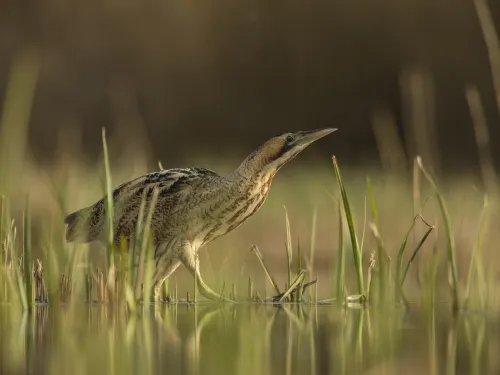
Bittern
The shy and retiring bittern is a master of blending in and can be very difficult to spot in its reedbed home. It does sound like a booming foghorn, however, when it calls, so can often be heard if it cannot be seen.

From otters to freshwater shrimps, all animals are dependant on an abundant and reliable supply of clean water. Rivers sustain the natural environment, wildlife and people in equal measure.
Flowing water has an awesome power, over millennia it is able to carve and shape a landscape, determine its natural patterns and influence its history too. Life is uniquely dependant on water and for many species of plant and animal adaptation to a life cycle in or very near water is the main spring of their survival.
Rivers are fed by a much larger area of land known as a catchment, rain falls everywhere - from the high places to the low. River grow from springs, flushes, upwellings or from surface water. Rivers are dynamic and respond to conditions of geology, soil, chemistry and our own interventions.
Water chemistry changes in response to geology, rainfall and pollution. Theses influence the types of wildlife supported by watercourses. The nature of the river bed, banks and surrounding landscape use will also have a powerful affect of the animal and plant community supported by a river.
A river is part and parcel of its flood plain and its catchment. Flooding and drought can have catastrophic impacts on wildlife and people. An upland stream will violently carry away its tiny invertebrate population while flooded lowland small rivers could drown water vole burrows.
Rivers are very variable and no two sections of a river are the same. The tiniest of variations, a single boulder for instance creates endless variety. A flashy, unpredictable upland stream can have highly oxygenated waters, low in nutrients and therefore support unique and rare aquatic life such as stonefly and mayfly nymphs.
Lowland small rivers are slower. They are modified in many places and carry nutrient enriched waters which encourage plants such as reedmace and burr reed. Where these rivers run over sandstone or gravels, rock clinging wavy beds of water crowfoot shelter.
In hill country valleys the dynamic alternation between shallow riffles, actively eroding river cliffs and soft deposited silts can support brook lamprey and burrowing mayfly nymphs.
When exploring the rivers and brooks take care to move quietly. You might spot kingfishers, grey wagtails and dippers. These birds will work a length of stream exploring the pools, gravel shoals, tree-root hollows for beetle larvae and small fish fry.
In early summer look out for clouds of mayflies which emerge at the same time to lay eggs having lived for most of their life underwater as nymphs.
Later dragonflies hawk along the banks, whilst at night bats sweep across the surface feeding on moths. In autumn on large rivers Atlantic salmon can be glimpsed charging powerfully up the weir slopes, their smaller cousins the brown trout will be hustling up the fish passes put in to ease their way.
The pressures on our natural river systems are immense. Pollution from agricultural and road run-off bring sediment and harmful chemicals to push water quality down.
Over-abstraction can cause increased toxicity levels and lack of water for aquatic life. Reduction of tree cover leads to higher water temperatures and consequently low oxygen levels harmful to fish.
River conservation means taking a catchment approach, working with others and creating a broad range of projects and activities to create a river recovery network.
The shy and retiring bittern is a master of blending in and can be very difficult to spot in its reedbed home. It does sound like a booming foghorn, however, when it calls, so can often be heard if it cannot be seen.
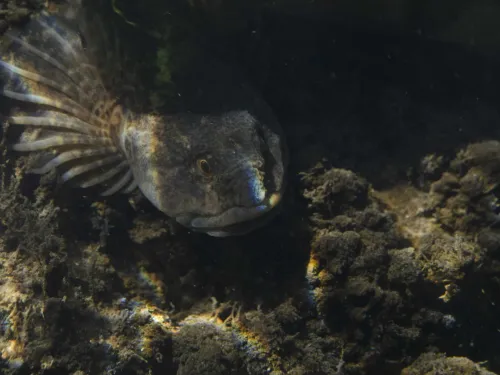
Living up to its name, the bullhead has a characteristically large, flattened head and a tapering body. Look out for it in fast-flowing, stony rivers and streams.
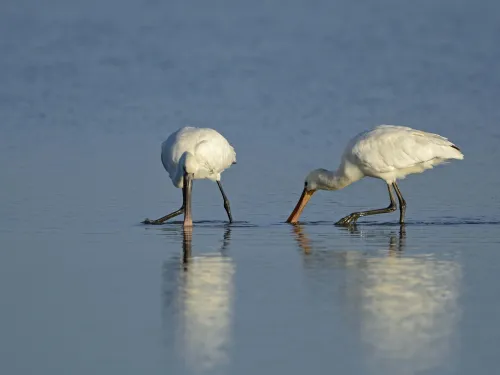
The distinctive sight of a spoonbill is becoming increasingly common in the east and southwest of England, with colonies of breeding birds now established.
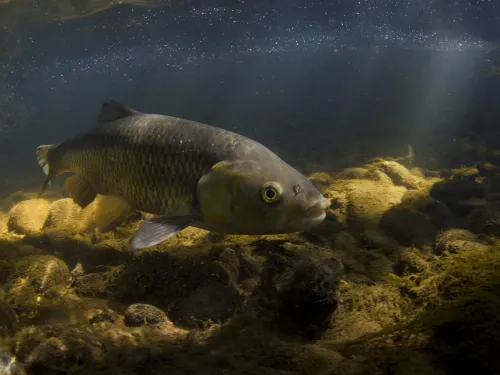
The silvery chub can be seen gathering in large shoals in lowland rivers and streams. It is a member of the carp family and looks very similar to the dace, but is larger and has redder fins.
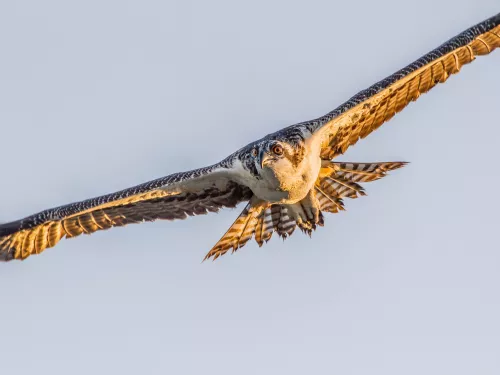
A great way to get up close and personal with the magnificent osprey is via one of the many nestcams set-up in the places that it breeds: Scotland, Cumbria, Wales and the East Midlands.
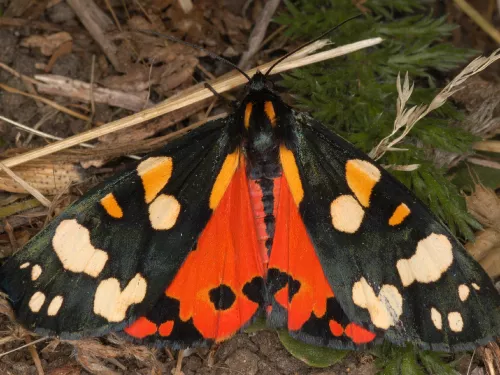
This beautiful moth is often found resting on leaves, though it does also fly during the day.
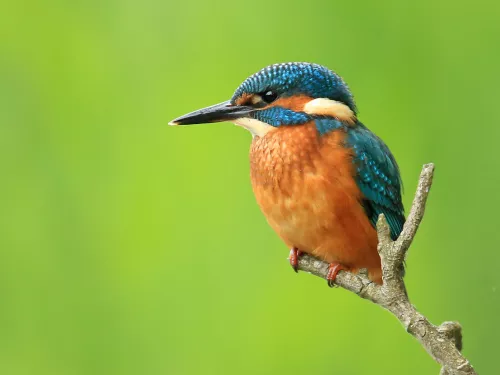
Blink and you may miss the fantastic kingfisher! This beautiful bird is easy to recognise thanks to its bright blue and metallic copper colours. It darts along the riverbank or sits patiently on a low branch over the water waiting for its next meal to swim by.
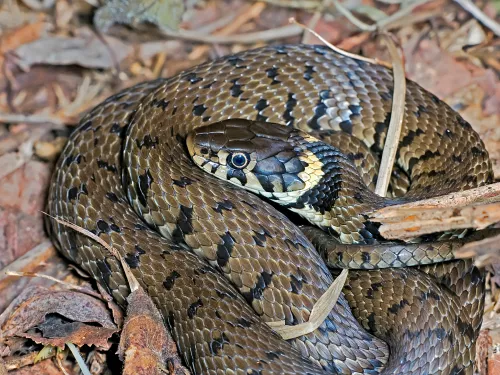
The grass snake is our longest snake, but don't worry if you find one in the compost heap - it's harmless! Look out for this green and yellow beauty in grasslands and wetlands, too.
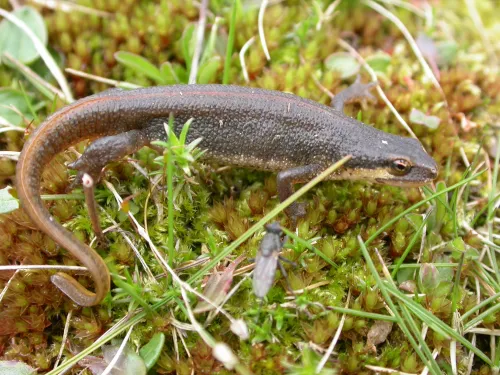
The palmate newt looks similar to the smooth newt, but favours shallow pools on acidic soils like heathlands. During the breeding season, males grow distinctive black webbing on their hind feet.
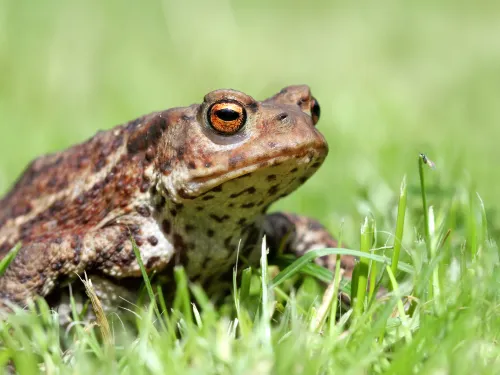
Despite its warts and ancient associations with witches, the common toad is a gardener's friend, sucking up slugs and snails. It is famous for migrating en masse to its breeding ponds.
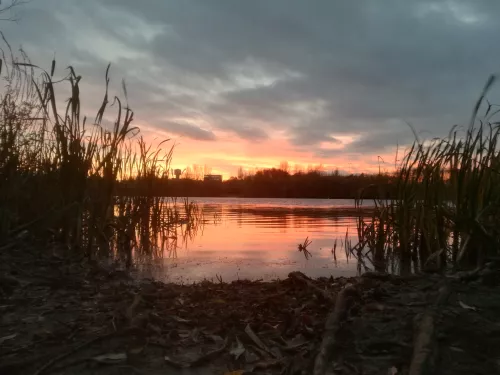
Conningbrook Lakes is made up of a series of lakes, ponds, river, wet woodland and grasslands – creating a great place for a riverside stroll, and host to a variety of wildlife.
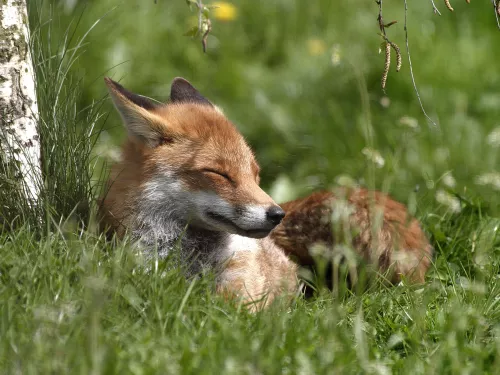
Ancient woodland with a wide range of ground flora.
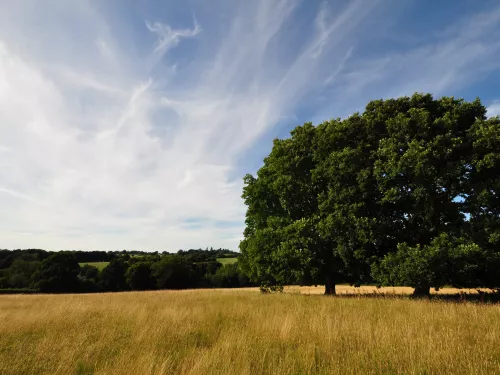
The reserve is managed as part of an organic livestock farm in partnership with a local farmer and consists of neutral grassland, a small stream, a pond and areas of scrub and mature woodland.
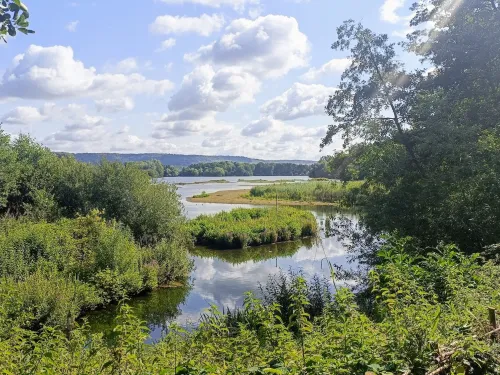
Welcome back to the refurbished Harrison Visitor Centre! This 73 hectare site was the first example of a gravel pit site being developed for the purpose of nature conservation. It is home to a diverse range of plants, fungi, birds and dragonflies & damselflies.
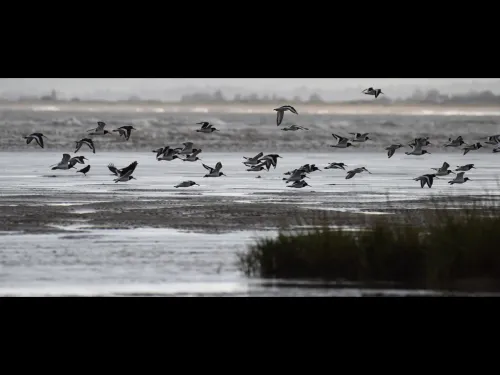
Listen to the rolling waves on the sand and shingle, breathe in the saline scents of the saltmarsh, and watch the wonderful wildlife this very important and sensitive National Nature Reserve has to offer.
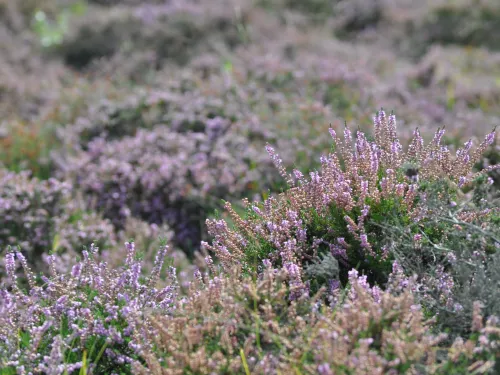
Rich in flora and fauna, this important reserve contains Kent's last four valley bogs and one of its few remaining fragments of open heath.
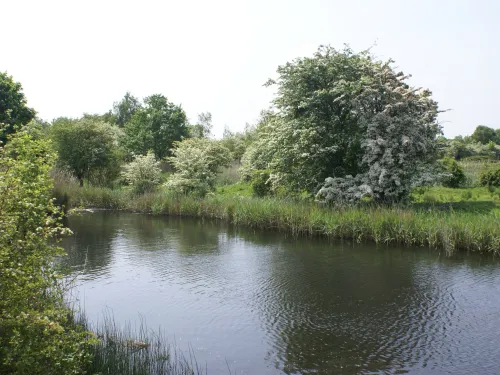
Lying along the edge of the river Medway, this patchwork of wet fields and scrub is criss-crossed by ditches and home to many rare and unusual plants and animals.