
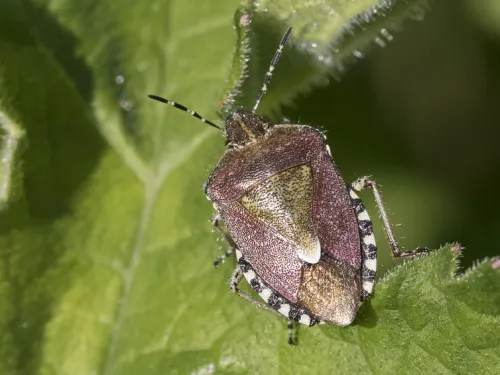
Hairy shieldbug
This large shieldbug lives up to its name, bristling with long pale hairs. It's a common sight in parks, hedgerows and woodland edges in much of the UK.

Hedgerows are one of our most easily encountered wildlife habitats, found lining roads, railways and footpaths, bordering fields and gardens and on the coast.
Hedges are strips of woodland edge habitat. Coming in many shapes and sizes, hedges range from narrow strings of closely trimmed scraggy hawthorn bushes sparse in wildlife, to thick bushes, tangled with dog rose, bramble and honeysuckle and overtopped with mature trees. Often the only link between other isolated patches of wildlife habitat scattered across the landscape, thick, flora-rich hedges provide valuable nesting and foraging opportunities for a huge range of wildlife.
The best hedges for wildlife are thick and broadest at the bottom with a range of woody species such as hawthorn, blackthorn, field maple, hazel, spindle, wayfaring tree and wild service tree occasionally overtopped by oak and ash. Ramblers such as bramble and rose are frequent, together with climbing honeysuckle and wild clematis. At the foot of the hedge, thick herbaceous vegetation commonly includes species such as cow parsley and hedge mustard with coarse grasses, although sometimes woodland flora is found with bluebells and greater stitchwort.
Hedges provide song posts, shelter and nesting opportunities for both woodland and farmland birds such as yellowhammer, whitethroat, blue tit and great tit, while nectar, berries, nuts and leaves provide food for an assortment of invertebrates, mammals and birds. In addition to providing excellent wildlife habitat, hedges can help reduce soil erosion and water run-off on arable land.
Hedgerows were generally planted to show ownership boundaries, provide shelter for livestock, while also being stock-proof barriers between fields. Some have older origins and may be the remnants of ancient woodland carved out for farmland.
Many hedges are medieval in origin, and are often curved at the end to leave room for a team of oxen to turn a plough, but miles of hedgerow were planted on common land during the enclosures of the 18th and 19th centuries to exclude the people previously using the land for communal open field farming. For example, 200,000 miles were planted in the English Midlands. It is these more recent hedges that tend to be straight and dominated by hawthorn. The presence of poor colonisers such as field maple, hazel, dogwood and spindle often indicate older hedges.
Traditionally, hedges are laid carefully. The stems are partially cut through low down, and the trunks bent over sideways and contained by stakes, creating a thick base to the hedge and filling any gaps. There are a variety of regional styles of hedgelaying, and a national hedgelaying championship is still run each year. Hedges may also top earth banks or stone walls.
Look for interesting shrubs such as wild service tree, spindle and guelder rose. Thick well-structured hedges support a variety of farmland and garden birds, and honeysuckle, thorn and bramble blossom and ivy flowers attract a wide range of insects (and are particularly important at the beginning and end of the season). Look out for bumblebees, which also use hedgerows as navigation aids, as do bats such as greater horseshoe bats. In the tussocky vegetation at the foot of hedgerows, look for beetles, including stag beetles.
In the UK the caterpillars of the rare brown hairstreak are largely dependent on hedgerow blackthorn in the south – look for white eggs on young blackthorn shoots in winter, and in late summer for clusters of adults around prominent ash trees. Hedgerows are also an important habitat for the hazel dormouse – search for gnawed hazelnut shells and summer nests of woven honeysuckle bark.
Tens of thousands of hedgerows were removed from the mid-20th century onwards as a result of grants aimed at increasing agricultural efficiency. Many remaining hedges have been savagely trimmed, neglected or affected by drifting agricultural chemicals that are sprayed. The best way to manage hedges for wildlife is to lay them – left unmanaged they turn into lines of trees, while hard annual trimming results in thin, gappy hedges that support little but the occasional dunnock or whitethroat. Hedgelaying is best carried out in late winter, before the nesting season and when most berries have been eaten. However, it is a time-consuming activity. Sensitive harvesting of hedges for biofuel may prove one way to ensure they continue to be valued.
This large shieldbug lives up to its name, bristling with long pale hairs. It's a common sight in parks, hedgerows and woodland edges in much of the UK.
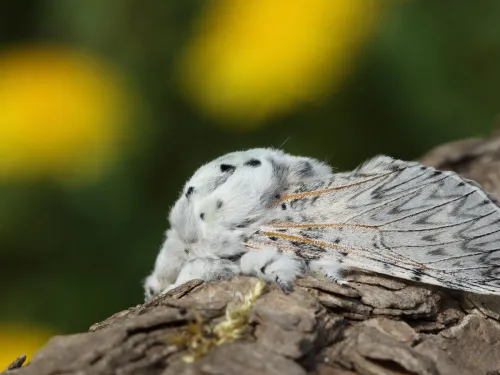
The puss moth is a large and fluffy moth, with a very strange looking caterpillar.

This large, fluffy-legged moth is often attracted to lights in May and June.

These moths can be seen flying on sunny days, but you're more likely to spot the fuzzy caterpillars crawling over paths.

The caterpillars of this fluffy white moth are best admired from a distance, as their hairs can irritate the skin.
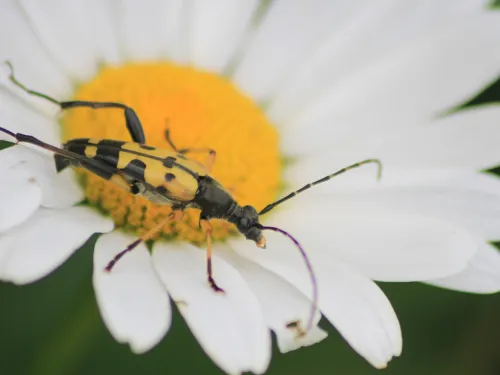
This brightly-coloured beetle is often found feeding on flowers on warm days in late spring and summer.
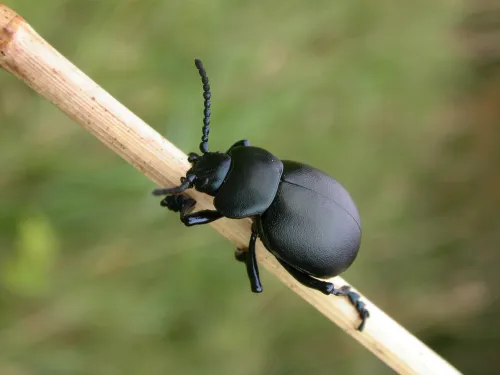
The common name of the Bloody-nosed beetle derives from its unusual defence mechanism: when threatened, it secretes a distasteful blood-red liquid from its mouth. This flightless beetle can be found on grassland and heathland, and along hedgerows.
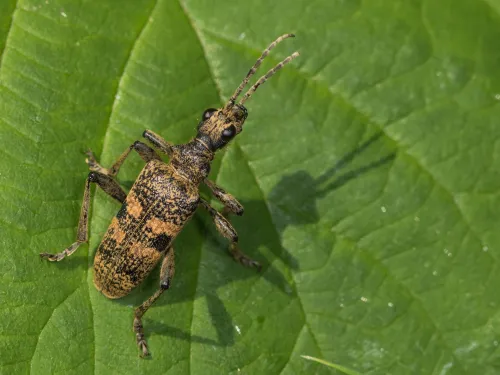
These bulky beetles can sometimes be found on flowers in woodland rides or along hedgerows.
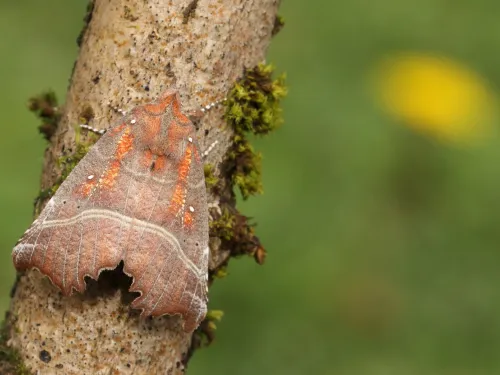
This unmistakable moth spends the winter as an adult, tucked away in a sheltered spot like a cave or outbuilding.
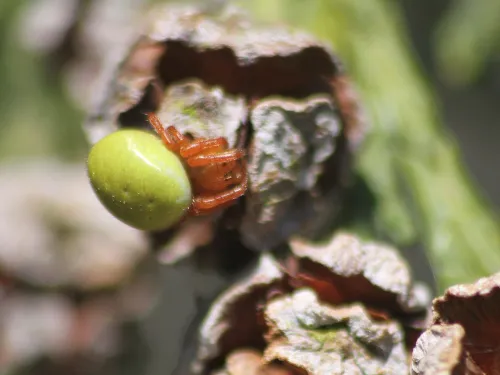
There are several species of cucumber spider, recognised by their bright green abdomen.
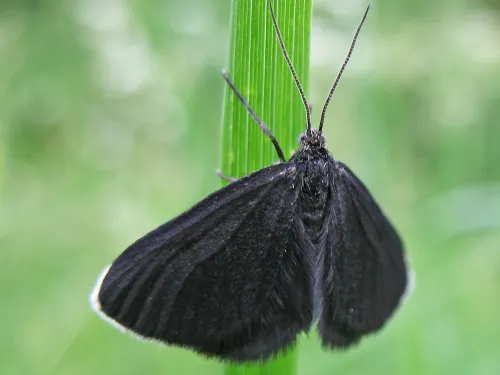
This sooty-black, day-flying moth is active on sunny days, rarely settling in one place for long.
Field elm suffered declines due to the devastating effects of Dutch elm disease, but can still be found across much of the UK.
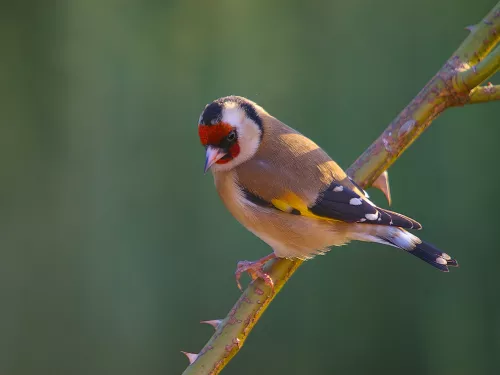
The striking red crown, golden back, and bright yellow wings of the goldfinch make it one of our prettiest garden birds. It happily visits birdtables and feeders across the UK.
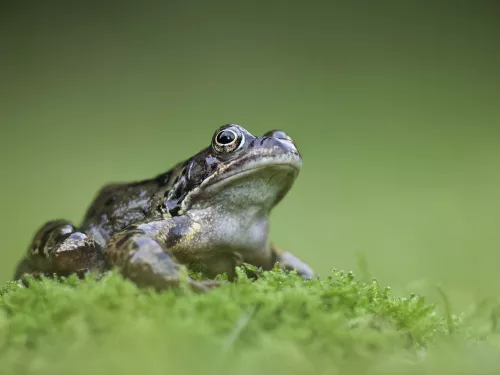
Our most well-known amphibian, the common frog is a regular visitor to garden ponds across the country, where they feast on slugs and snails. In winter, they hibernate in pond mud or under log piles.
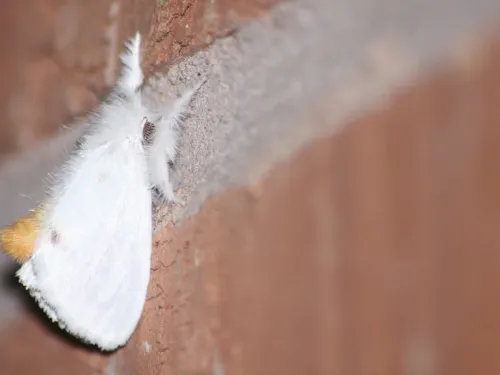
This snowy white moth is easily mistaken for the similar brown-tail, until it lifts its abdomen to reveal a burst of golden-yellow.
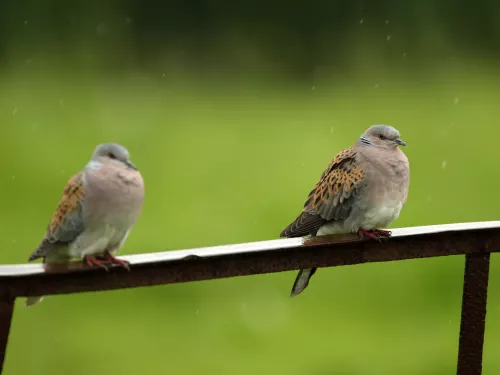
The turtle dove is the UK's fastest declining bird species and is on the brink of extinction. A small and pretty pigeon, it breeds in lowland England and winters in Sub-Saharan Africa.
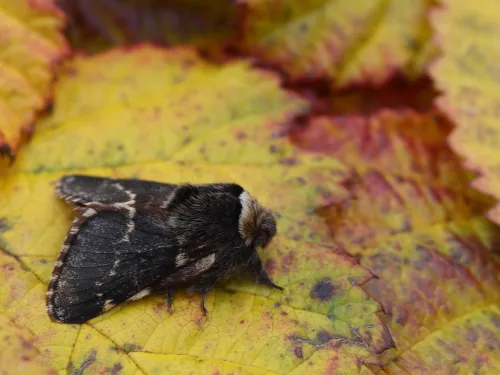
This fluffy moth is one of the few species that fly in winter.
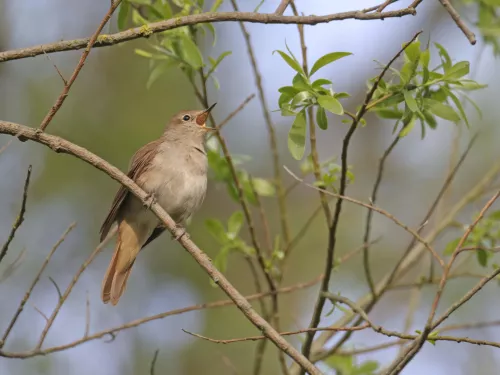
The melodious song of the nightingale is the most likely sign of this bird being about. Shy and secretive, it sings from dense scrub and woodland, day and night.
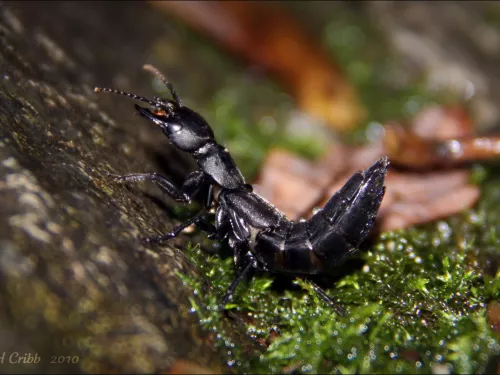
A ferocious and fast predator, the Devil's coach horse beetle hunts invertebrates after dark in gardens and on grasslands. It is well-known for curling up its abdomen like the tail of a scorpion when defending itself.
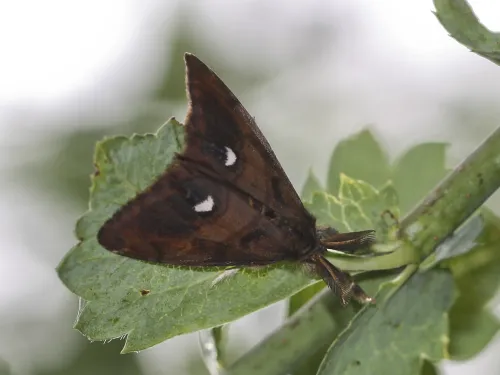
The mohawk-sporting caterpillar of this moth is often seen on shrubs and trees in late summer. As adults the orange-brown males fly by day, but the flightless females don't stray far from their cocoon.
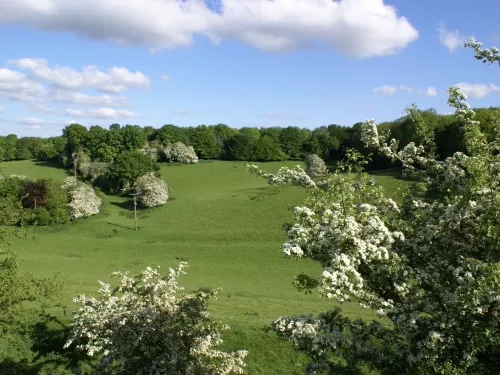
These fragile woods support a diverse mixture of species from mighty oaks and majestic beech to violets and carpets of bluebells.
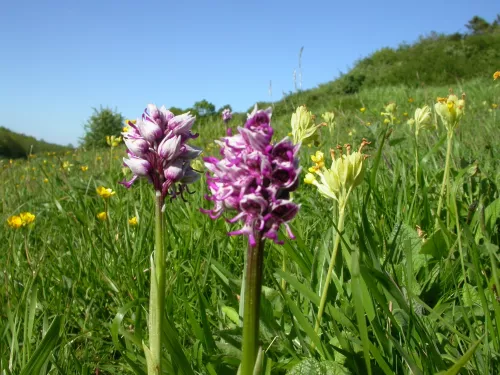
Ancient chalk grassland with a very rich flora.
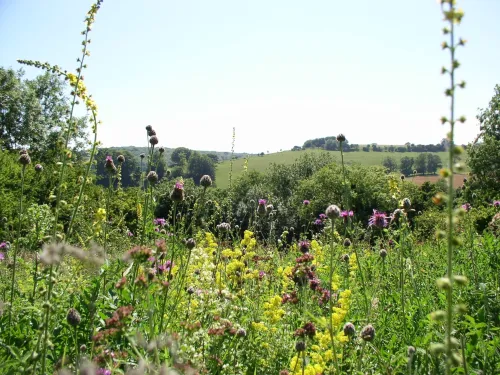
Sweeping downland slopes packed with wildlife on the outskirts of Dover.
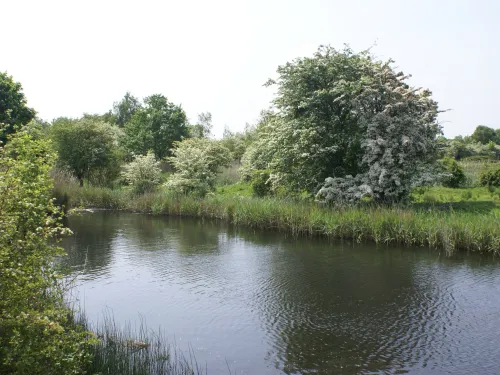
Lying along the edge of the river Medway, this patchwork of wet fields and scrub is criss-crossed by ditches and home to many rare and unusual plants and animals.
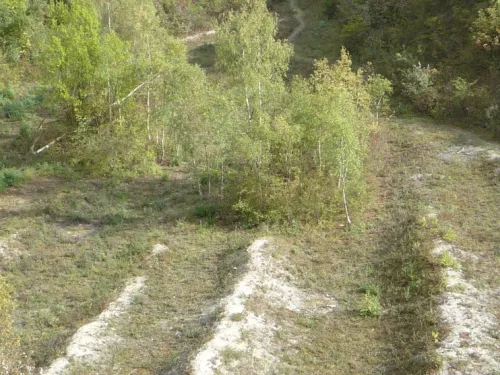
The Culand Pits are a dramatic reminder of the role the cement industry played in shaping the landscape in the Medway Valley. The site is owned by Trenport Investments Ltd who fund the management.
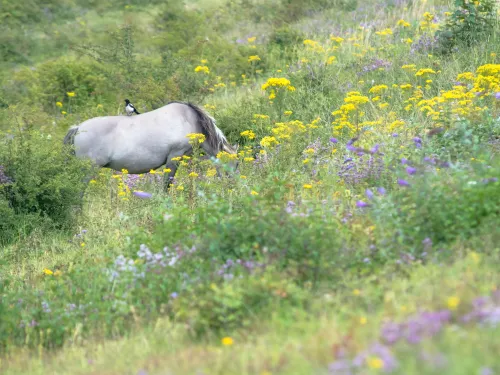
Located next to an industrial estate on the outskirts of Dover, it is hard to believe a nature reserve is there when driving through the estate.
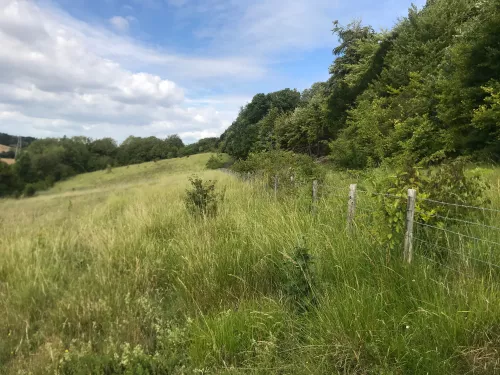
Quilters Wood Reserve is an area of ancient semi natural woodland and chalk grassland situated near Bridge, Canterbury.