
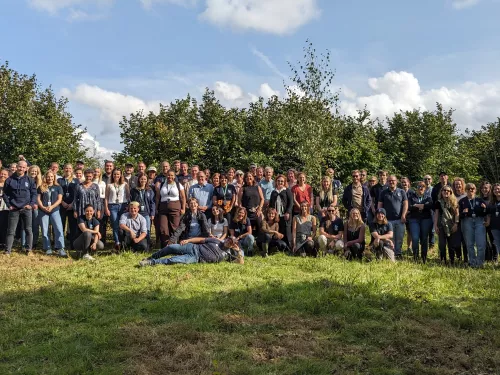
Why work at Kent Wildlife Trust?
Working at Kent Wildlife Trust is so much more than just a job. You will find yourself amongst a team of devoted people, where taking local action to make national and global change is at the heart of our everyday.
Learn more about the wildlife and wild places in Kent and beyond.
Working at Kent Wildlife Trust is so much more than just a job. You will find yourself amongst a team of devoted people, where taking local action to make national and global change is at the heart of our everyday.
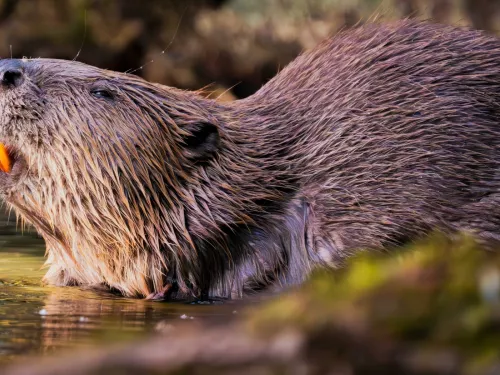
In this blog, we'll take a closer look at why beavers are so important for the UK's biodiversity and why their return to Kent is not just a nostalgic journey but a crucial step towards restoring our natural heritage.
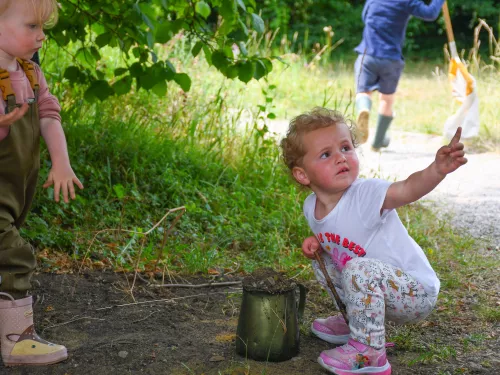
Nature Tots - a place for parents and children to get outside, connect with nature and learn new skills together.
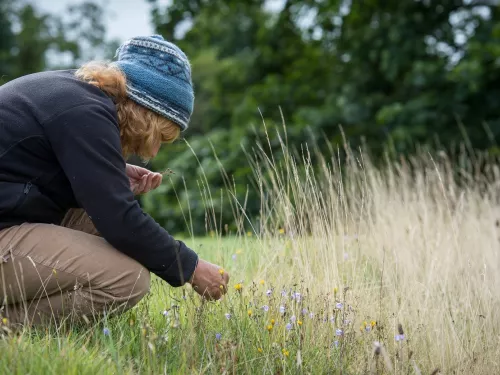
James Barton, Ph.D student at University of Kent, dives into the upcoming BioBlitz at the uni in this blog.
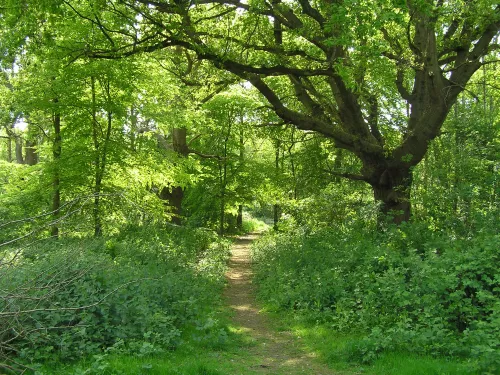
The writer H E Bates moved from Northamptonshire to Little Chart Forstal in 1931. His deep knowledge of the countryside coloured all his writing. In ‘Through the Woods’ (1936), with fine wood engravings by Agnes Miller Parker, he wrote in loving detail about the plant and animal life in Coldham Wood, which lies due west of the Extension section of Hothfield Heathland.
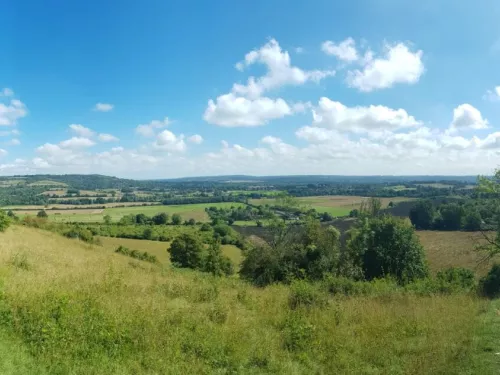
Our work at Polhill Bank has been ongoing for several years now. Over time, we have purchased more neighbouring patches of land there, adding up to around 16 hectares now under our nature-positive management. In many ways, our wilding journey in the area goes back more than a decade; in others, it’s only just begun.
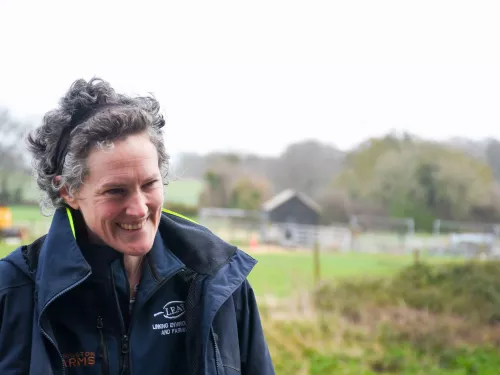
In the 9th episode of Talk on the Wild Side, Rob Smith talks to Emma Loder-Symonds about Nonington Farm (near Canterbury) and their regenerative approach to farming. They have managed to cut costs AND fertilisers and pesticides, while keeping yields high. Rob also talks to Liz Milne, the Natural Environment and Coast Manager for Kent County Council about the Local Nature Recovery Strategy for Kent.
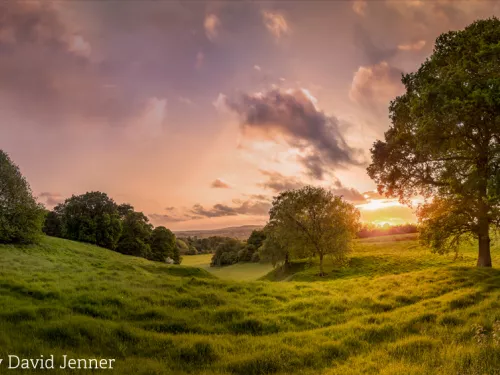
Industrial agriculture was designed to maximise the production of a single crop or animal, but these practices are not always best for the environment or the farmer. The solution is to build a resilient landscape where food production is maximised AND in harmony with nature.