©️ Rachel Scopes

The UK's ladybird species

7-spot ladybird

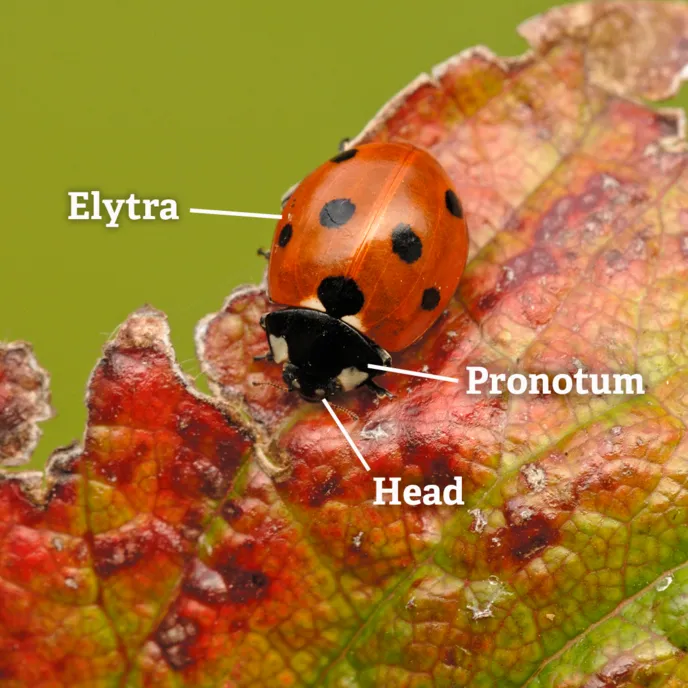
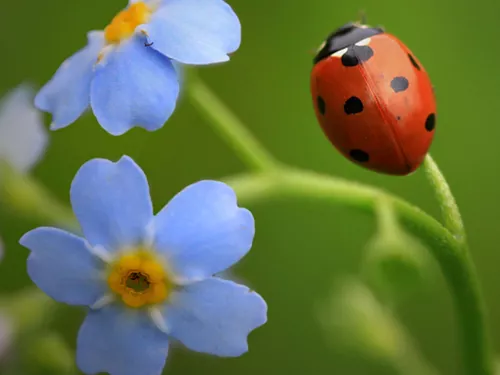
The classic ladybird, found in parks and gardens across the UK. It’s a large ladybird, usually 5-8mm long. It has red wing cases, with three black spots on each side and a seventh spot in the middle, just behind the pronotum. Look for it on low-growing plants.
© Philip Precey

Harlequin ladybird

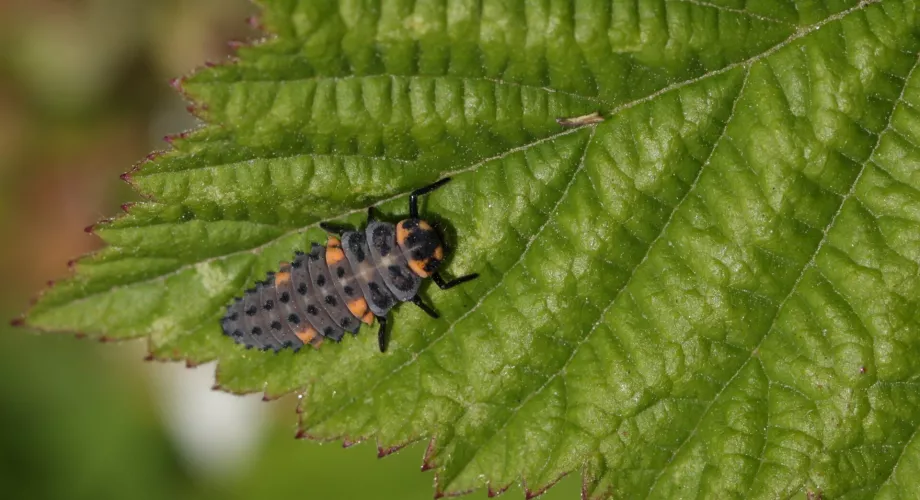
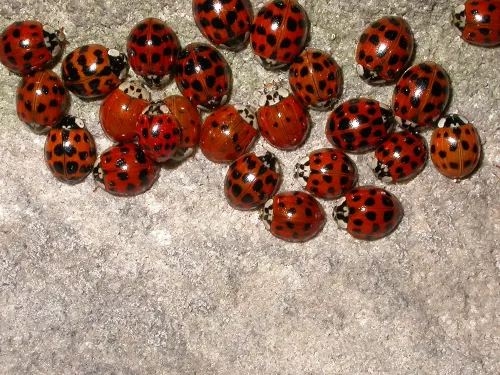
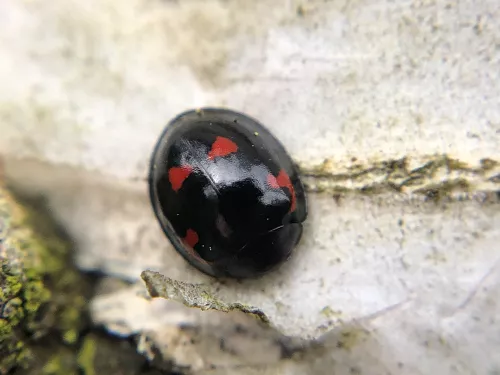
This Asian species first reached the UK in the early 2000s but is now common across England and Wales. It has also reached Scotland and Northern Ireland. It’s 5-8mm long, but comes in a confusing variety of colours and patterns. One helpful clue is that harlequins usually have reddish-brown legs. One of the most commonly seen forms has orange/red wing cases with 15-21 black spots, and a whiteish pronotum with a black ‘M’-shaped marking. Another common form has black wing cases with four red spots. But more than 100 different colour patterns have been recorded!

© Tom Hibbert

Pine ladybird

This small ladybird is widespread in England and Wales, with scattered populations elsewhere in the UK. It grows to around 4mm and is all black, with four red markings on its wing cases. The front two markings are comma shaped. As the name suggests, it is often found on the trunks and branches of pine trees – but it can also be seen on other species.

© John Bridges

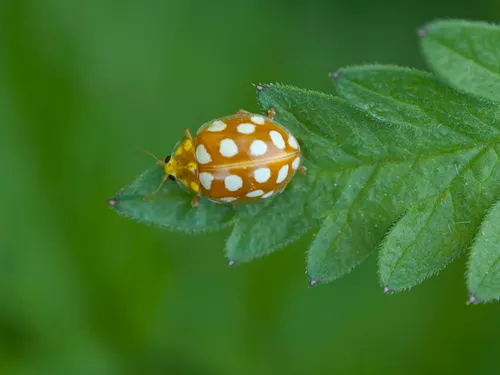
Orange ladybird

This distinctive ladybird is found across the UK. It’s around 6mm long and orange all over, with 12-16 white spots on its wing cases. It feeds on mildew on leaves and is often seen around sycamore and ash trees.

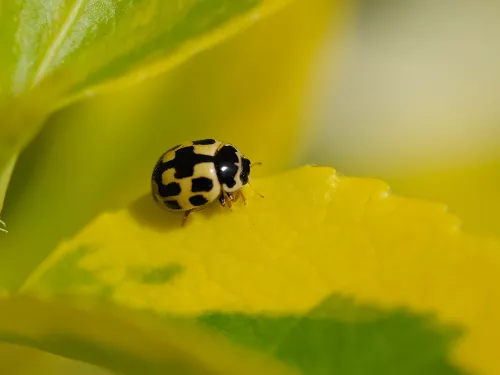
14-spot ladybird

This attractive little ladybird is widespread in most of the UK, though scarcer in Scotland. It’s around 4mm long and usually yellow with black markings. The wings cases have rectangular black spots that often fuse together to form lines. It’s usually found close to the ground, amongst grasses and flowers.

© John Hawkins

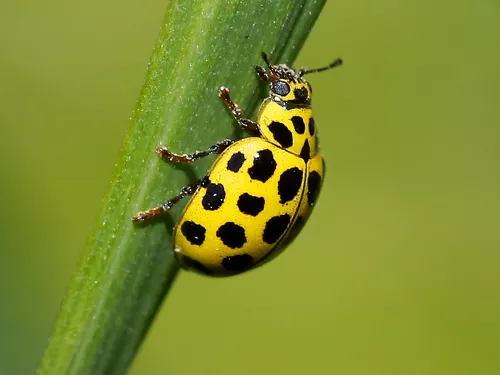
22-spot ladybird

One of our brightest ladybirds, found throughout most of the UK but rare in Scotland. It’s a small species, around 3-4mm long. It has blazing yellow wing cases with 22 black spots. Like the orange ladybird, it feeds on mildew rather than aphids. It’s often found in meadows or on herbaceous plants in other areas. It’s apparently keen on hogweed.

© Frank Porch

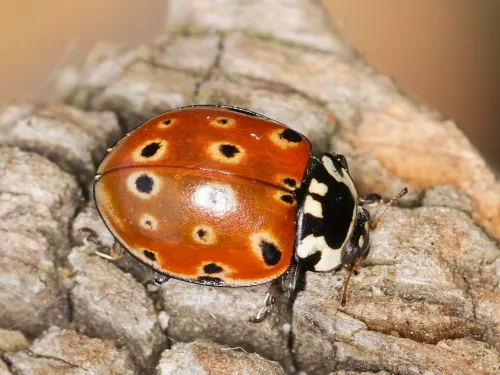
Eyed ladybird

The UK’s largest ladybird, growing to around 8.5mm. It’s widespread in the UK, but not often seen. It spends much of its time in the canopy of conifer trees, particularly Scots pine, hunting aphids. Its wing cases are dark red, usually with 15 black spots – though spots can vary from zero to 23. The spots usually have pale rings around them.

Related blog posts

Stephen Weeks

Insect highlights from our reserves 2025

Blog

Winter may not be the season for surveying, but it is the perfect moment to pause, reflect, and celebrate the extraordinary insect life found across Kent Wildlife Trust reserves. where in the UK, including some recent continental arrivals.